Innovative Race Timing Software and Key Features to Look for in 2024
Race timing software has evolved significantly, offering innovative features to enhance the accuracy, efficiency, and overall experience of race events. As technology advances, the capabilities of race timing solutions have expanded, making it essential for race organizers to understand what features to look for in 2024. This article will delve into the critical elements that define modern race timing software, exploring innovations that are shaping the future of this technology.
Race timing software plays a pivotal role in competitive events, from marathons to cycling races. The software ensures accurate timing, efficient data processing, and seamless participant management. With advancements in technology, race timing solutions are now expected to offer more than just basic timing functions; they must also enhance the overall experience for both organizers and participants.
Key Benefits of Using Advanced Race Timing Software
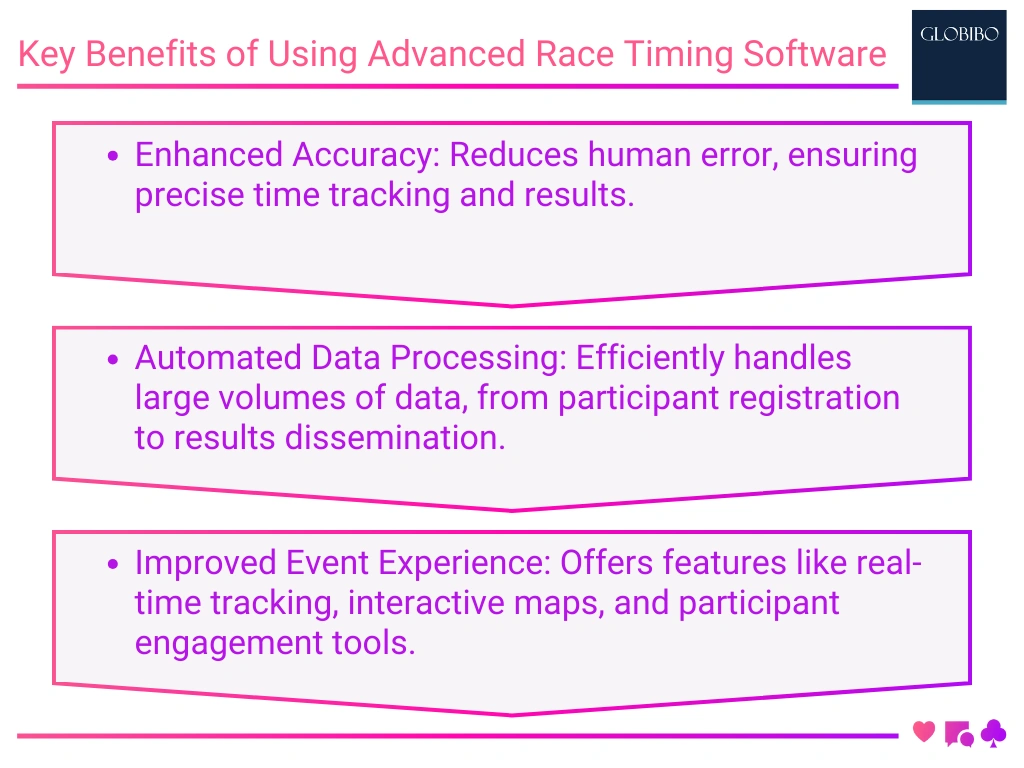
- Enhanced Accuracy: Reduces human error, ensuring precise time tracking and results.
- Automated Data Processing: Efficiently handles large volumes of data, from participant registration to results dissemination.
- Improved Event Experience: Offers features like real-time tracking, interactive maps, and participant engagement tools.
- Customizable and Scalable: Adaptable to different event types and sizes, from small local races to large-scale marathons.
Key Features to Look for in Race Timing Software in 2024
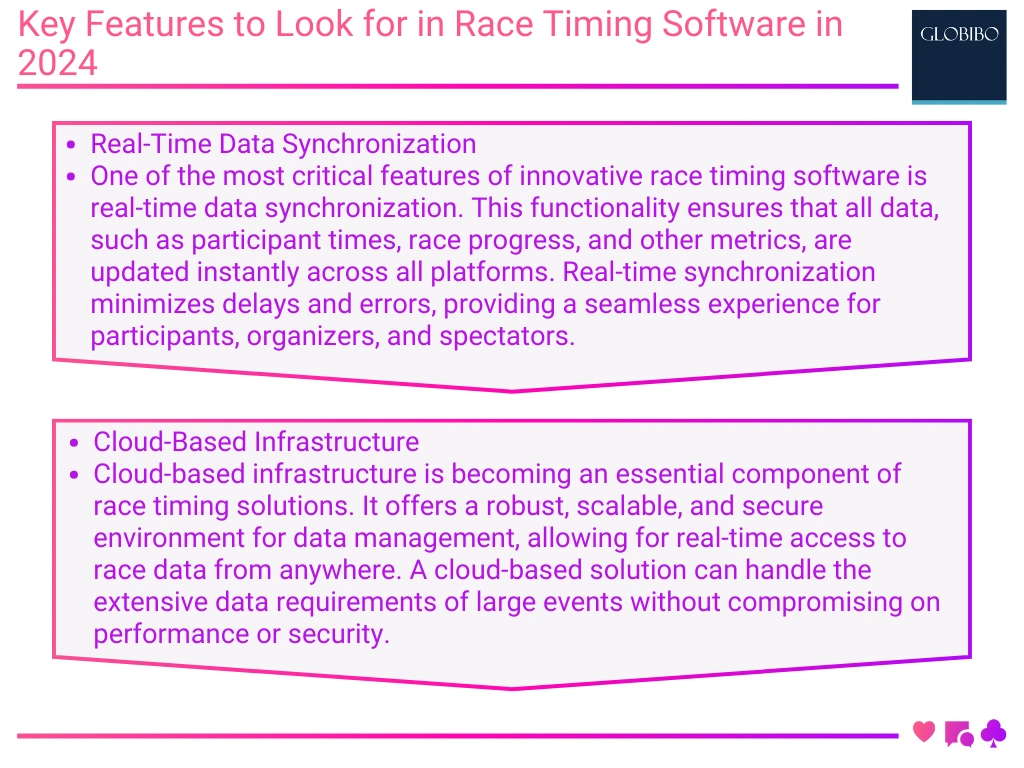
a) Real-Time Data Synchronization
One of the most critical features of innovative race timing software is real-time data synchronization. This functionality ensures that all data, such as participant times, race progress, and other metrics, are updated instantly across all platforms. Real-time synchronization minimizes delays and errors, providing a seamless experience for participants, organizers, and spectators.
- Benefits of Real-Time Data Synchronization:
-
- Instant access to live race data for participants and spectators.
- Smoother management of race logistics and emergency response.
- Enhanced user experience with live updates on digital platforms.
b) Cloud-Based Infrastructure
Cloud-based infrastructure is becoming an essential component of race timing solutions. It offers a robust, scalable, and secure environment for data management, allowing for real-time access to race data from anywhere. A cloud-based solution can handle the extensive data requirements of large events without compromising on performance or security.
- Advantages of Cloud-Based Infrastructure:
- Scalable to accommodate any size event.
- Reduced hardware requirements and associated costs.
- Enhanced data security with automated backups and disaster recovery.
c) Advanced Participant Tracking
Innovative race timing software should provide advanced participant tracking features. This includes GPS tracking, RFID technology, and real-time analytics to offer a comprehensive view of each participant’s progress throughout the race.
- Tracking Technologies:
- GPS Tracking: Allows organizers to monitor the location of participants in real-time.
- RFID Tags: Used to track participants’ timing points accurately, providing real-time updates.
- Real-Time Analytics: Delivers insights into race performance, pacing, and split times.
d) Integration with Wearable Devices
Wearable technology integration is a growing trend in race timing solutions. Modern software should be compatible with various wearables like smartwatches and fitness bands, allowing participants to sync their data directly with the race system.
- Benefits of Integration with Wearable Devices:
- Accurate personal data tracking, including heart rate, speed, and distance.
- Enhanced participant experience through seamless data sharing.
- Improved health monitoring and emergency response capabilities.
Advanced Data Analytics and Reporting
In 2024, race timing solutions must go beyond basic timing and offer comprehensive data analytics and reporting capabilities. This feature allows race organizers to analyze performance metrics, track participant engagement, and make data-driven decisions for future events.
- Features to Look for:
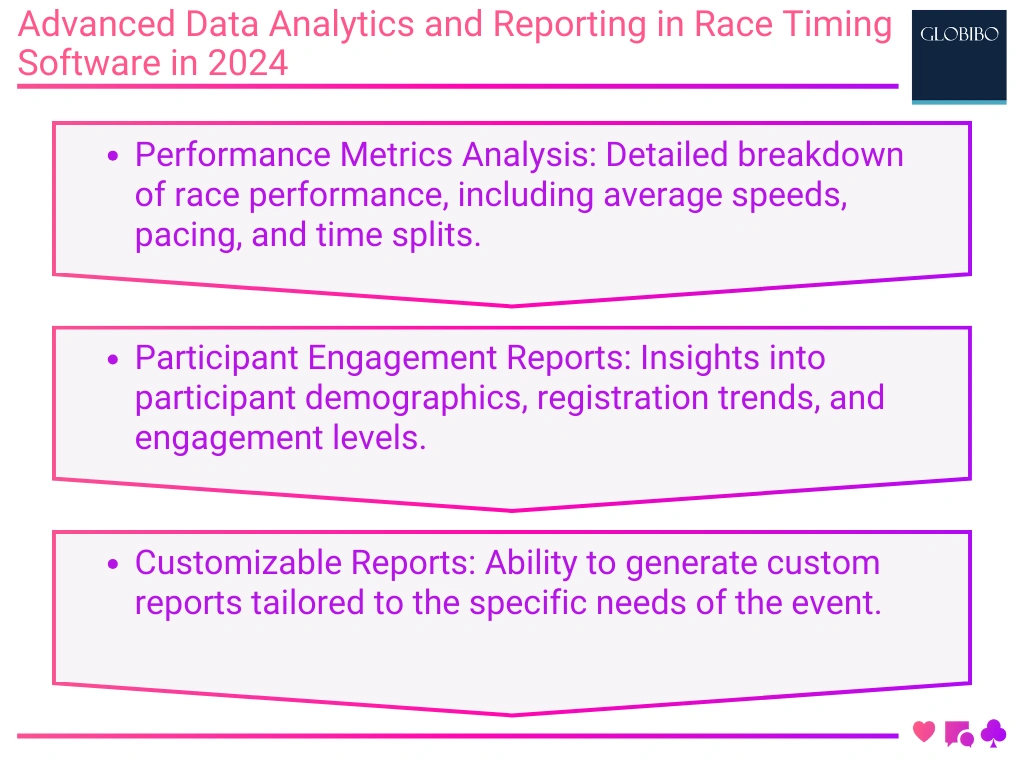
- Performance Metrics Analysis: Detailed breakdown of race performance, including average speeds, pacing, and time splits.
- Participant Engagement Reports: Insights into participant demographics, registration trends, and engagement levels.
- Customizable Reports: Ability to generate custom reports tailored to the specific needs of the event.
Customization and Scalability
The race timing software should be highly customizable and scalable to meet the diverse needs of different events. From small community runs to large international marathons, the software should offer flexible options that cater to various race formats and sizes.
- Scalability Factors:
- Ability to handle large volumes of data without compromising performance.
- Flexibility to add or remove features as per event requirements.
- Support for multiple languages and currencies for international races.
User-Friendly Interface and Accessibility
A user-friendly interface is crucial for race timing software, as it ensures that organizers, participants, and spectators can easily navigate and use the system. The software should be accessible across multiple devices, including desktops, tablets, and smartphones.
- Key Elements of a User-Friendly Interface:
- Intuitive design with easy navigation.
- Clear display of race information and participant data.
- Compatibility with various operating systems and devices.
Robust Security Features
With the increasing importance of data security, race timing software must incorporate robust security features to protect sensitive information. This includes participant data, payment details, and race results.
- Security Features to Look for:
- End-to-end encryption for data transmission.
- Secure payment gateways for online registrations and transactions.
- Regular software updates and security patches.
Top Features of Innovative Race Timing Software in 2024
- Real-Time Data Synchronization
- Cloud-Based Infrastructure
- Advanced Participant Tracking
- Integration with Wearable Devices
- Advanced Data Analytics and Reporting
- Customization and Scalability
- User-Friendly Interface and Accessibility
- Robust Security Features
Benefits of Using Cloud-Based Race Timing Solutions
- Scalability and Flexibility: Easily scale up or down based on event size.
- Cost-Effectiveness: Reduces the need for expensive hardware.
- Data Security and Reliability: Automated backups and disaster recovery options.
- Real-Time Access: Facilitates live data access and management from any location.
- Improved Collaboration: Enables multiple users to access and work on the platform simultaneously.
Integration Capabilities
Race timing software should seamlessly integrate with other platforms and tools used in race management. This includes registration systems, social media platforms, mobile apps, and wearable devices.
- Key Integration Points:
- Registration Systems: Sync participant data between registration and timing systems.
- Social Media Platforms: Automatically share race updates and results on social media.
- Mobile Apps: Provide participants and spectators with a dedicated mobile app for live updates and information.
Comparison of Race Timing Software Features in 2024
| Feature | Description | Benefit |
| Real-Time Data Synchronization | Instantly updates race data across all platforms | Minimizes delays, improves accuracy |
| Cloud-Based Infrastructure | Provides a scalable, secure environment for data management | Enhances performance and security, reduces hardware costs |
| Advanced Participant Tracking | Uses GPS, RFID, and real-time analytics to track participants | Offers real-time insights into race progress |
| Integration with Wearable Devices | Syncs data from smartwatches and fitness bands | Enhances participant experience, provides accurate personal data |
| Advanced Data Analytics and Reporting | Offers comprehensive performance metrics and customizable reports | Supports data-driven decision-making and improves race management |
| Customization and Scalability | Adapts to different event types and sizes | Provides flexibility for race organizers |
| User-Friendly Interface | Accessible design that works on multiple devices | Improves usability for all users |
| Robust Security Features | Includes encryption, secure payment gateways, and regular updates | Protects sensitive participant and financial information |
Conclusion of Race Timing Software
Innovative race timing software in 2024 must offer a comprehensive suite of features that go beyond basic timing capabilities. From real-time data synchronization and cloud-based infrastructure to advanced participant tracking and integration with wearable devices, the right race timing solution should enhance every aspect of event management. By focusing on these key features, race organizers can ensure a seamless, efficient, and secure race experience for all stakeholders.
As the demand for advanced race timing solutions continues to grow, it’s crucial for event organizers to invest in software that meets the evolving needs of the industry. By prioritizing features like data analytics, scalability, security, and user-friendly interfaces, race timing solutions will remain at the forefront of technological innovation, providing unparalleled accuracy and engagement for participants and spectators alike.
Academic Reference for Race Timing Software
- F1 data analysis and tactical insights: exploring Formula 1 race performance strategies
- [HTML] Human Interaction and Emerging Technologies (IHIET-AI 2024), Vol. 120, 2024, 114-122
- ELECTRIC SPORTS CAR PRELIMINARY DESIGN (PERFORMANCE ENVELOPE)
- When innovation outruns customers’ interest: practical cases from the video game industries
- [BOOK] Driving Forensic Innovation in the 21st Century: Crossing the Valley of Death
- Perspective: The Stage‐Gate® Idea‐to‐Launch Process—Update, What’s New, and NexGen Systems*
- Why are companies offshoring innovation? The emerging global race for talent
- [BOOK] Managing sport events
- [HTML] The GenAI is out of the bottle: generative artificial intelligence from a business model innovation perspective
- Driving Innovation: Propelling the US Department of Defense’s Acquisition of Hybrid-Electric Tactical Vehicles to Win the Wars of Tomorrow

Rick Lee
Project Manager – Event Technology
With over 10 years of experience in event technology, Rick is an expert in integrating cutting-edge tech solutions for seamless event execution. His expertise includes audio-visual setups, interactive displays, and live-streaming technologies. Rick’s innovative approach ensures every event is technologically advanced and highly engaging.
Youtube Video on Race Timing Software
Key Articles for Timing Software
- Cost-Effective Race Timing Solutions for Small and Remote Events
- Advancements in GPS Technology for Race Timing
- The Role of Wearables in Enhancing Race Timing and Participant Experience
- Active vs. Passive Transponders: Which Race Timing System is Right for Your Event?
- How Real-Time Data Integration is Transforming Race Day Operations
- Ensuring Race Accuracy with Dual-Band GPS in Challenging Environments
- Backup Timing Solutions: Why Every Race Needs a Contingency Plan
- Innovative Race Timing Software: Features to Look for in 202
Contacts
Certification

Testimonials



Event Technology