Streamlined solutions for Multi-event Management
In today’s fast-paced world, managing multiple events simultaneously has become a critical aspect for businesses, organizations, and event planners. Multi-event management involves coordinating various events, ensuring seamless execution, and delivering exceptional experiences. This comprehensive guide delves into the intricacies of multi-event management, highlighting its benefits, challenges, best practices, and the role of technology in enhancing efficiency.
Understanding Multi-event Management
Multi-event management refers to the process of planning, organizing, and executing multiple events concurrently or within a short period. This approach is essential for organizations that host frequent events, such as conferences, workshops, webinars, and corporate meetings. Effective multi-event management ensures that each event is well-coordinated, meets its objectives, and delivers value to attendees.
1. Benefits of Multi-event Management
a. Enhanced Efficiency
Multi-event management streamlines the planning process by leveraging shared resources, templates, and best practices. This approach reduces redundancy, saves time, and minimizes costs associated with event planning. By centralizing event management, organizations can allocate resources more effectively and ensure consistency across events.
b. Improved Attendee Experience
A well-coordinated multi-event management strategy enhances the attendee experience by providing a cohesive and engaging environment. Consistent branding, seamless registration processes, and personalized communication contribute to a positive attendee experience, fostering loyalty and encouraging repeat attendance.
c. Data-Driven Decision Making
Multi-event management enables organizations to collect and analyze data from multiple events, providing valuable insights into attendee preferences, engagement levels, and overall event performance. This data-driven approach allows event planners to make informed decisions, optimize future events, and achieve better outcomes.
d. Scalability and Flexibility
Multi-event management offers scalability and flexibility, allowing organizations to adapt to changing circumstances and accommodate varying event sizes and types. This approach enables event planners to manage small, intimate gatherings and large-scale conferences with equal efficiency, ensuring that each event meets its objectives and delivers value.
2. Challenges in Multi-Event Management
a. Resource Allocation
One of the primary challenges in multi-event management is the effective allocation of resources, including time, budget, and personnel. Balancing the needs of multiple events simultaneously requires careful planning and coordination to ensure that each event receives the necessary resources without compromising quality.
b. Communication and Coordination
Clear and effective communication is crucial in multi-event management. Coordinating with various stakeholders, including vendors, speakers, and attendees, can be challenging, especially when managing multiple events concurrently. Establishing a robust communication plan and utilizing collaboration tools can help overcome these challenges and ensure smooth execution.
c. Technology Integration
Integrating technology into multi-event management can be complex, requiring a thorough understanding of available tools and their compatibility with existing systems. Selecting the right technology solutions and ensuring seamless integration is essential for enhancing efficiency, improving attendee experience, and achieving desired outcomes.
d. Risk Management
Multi-event management involves various risks, including logistical challenges, technical issues, and unforeseen circumstances. Developing a comprehensive risk management plan is crucial for identifying potential risks, implementing mitigation strategies, and ensuring the successful execution of each event.
Best Practices for Multi-Event Management
Adopting best practices is essential for achieving success in multi-event management. These practices help streamline the planning process, enhance efficiency, and deliver exceptional experiences to attendees.
1. Strategic Planning
a. Define Clear Objectives
Establishing clear objectives for each event is the foundation of successful multi-event management. Defining goals, such as attendee engagement, brand awareness, or lead generation, helps focus efforts and measure success. Aligning event objectives with organizational goals ensures that each event contributes to the overall strategy and delivers value.
b. Develop a Comprehensive Plan
Creating a comprehensive plan that outlines all aspects of event management, including timelines, budgets, and resource allocation, is crucial for ensuring smooth execution. A well-structured plan helps identify potential challenges, allocate resources effectively, and maintain consistency across events.
c. Leverage Technology
Incorporating technology into multi-event management can significantly enhance efficiency and improve the attendee experience. Utilizing event management software, mobile apps, and virtual platforms enables streamlined planning, seamless communication, and engaging interactions. Selecting the right technology solutions based on event objectives and attendee preferences is essential for achieving desired outcomes.
d. Foster Collaboration
Encouraging collaboration among team members, vendors, and stakeholders is vital for successful multi-event management. Establishing clear roles and responsibilities, fostering open communication, and leveraging collaboration tools help ensure that all parties are aligned and working towards common goals. Regular meetings and updates keep everyone informed and engaged, facilitating smooth execution and problem-solving.
2. Effective Communication
a. Establish Clear Channels
Setting up clear communication channels is essential for ensuring that all stakeholders are informed and engaged throughout the event planning process. Utilizing email, messaging platforms, and project management tools helps streamline communication, facilitate collaboration, and address issues promptly.
b. Personalize Attendee Engagement
Personalizing communication with attendees enhances their experience and fosters engagement. Tailoring messages based on attendee preferences, interests, and past interactions demonstrates a commitment to their needs and encourages participation. Utilizing data analytics and marketing automation tools can help create personalized communication strategies that resonate with attendees.
c. Provide Regular Updates
Keeping attendees informed about event details, such as schedules, speakers, and logistics, is crucial for ensuring a positive experience. Providing regular updates through email, social media, and event apps helps build anticipation, address questions, and keep attendees engaged. Clear and timely communication minimizes confusion and enhances the overall event experience.
d. Gather Feedback
Collecting feedback from attendees, speakers, and stakeholders is essential for improving future events and achieving better outcomes. Utilizing surveys, polls, and focus groups helps gather valuable insights into event performance, attendee satisfaction, and areas for improvement. Analyzing feedback and implementing changes based on findings demonstrates a commitment to continuous improvement and enhances the overall event experience.
3. Resource Management
a. Allocate Resources Strategically
Allocating resources strategically is crucial for ensuring the successful execution of multiple events. Assessing the needs of each event, prioritizing resources, and balancing demands help optimize resource allocation and achieve desired outcomes. Developing a resource management plan that outlines available resources, allocation strategies, and contingency plans ensures that each event receives the necessary support without compromising quality.
b. Leverage Shared Resources
Utilizing shared resources, such as templates, checklists, and vendor contracts, can enhance efficiency and reduce costs in multi-event management. Establishing a resource library that contains reusable assets, best practices, and lessons learned helps streamline the planning process, maintain consistency, and achieve better outcomes. Regularly updating and expanding the resource library ensures that event planners have access to the latest tools and information.
c. Monitor Budget
Monitoring the budget is essential for ensuring the financial success of multi-event management. Tracking expenses, reconciling invoices, and adjusting budget allocations help maintain financial control and achieve desired outcomes. Utilizing budget management tools and techniques, such as cost tracking, variance analysis, and forecasting, enables event planners to make informed decisions, optimize resource allocation, and achieve financial goals.
d. Manage Vendors
Managing vendors effectively is crucial for ensuring the successful execution of multiple events. Establishing clear expectations, negotiating contracts, and maintaining open communication help build strong vendor relationships and achieve desired outcomes. Conducting regular vendor evaluations, addressing performance issues, and recognizing excellence fosters a collaborative environment and enhances the overall event experience.
Technology in Multi-event Management
Technology plays a pivotal role in enhancing the efficiency and effectiveness of multi-event management. Leveraging the right tools and platforms can streamline planning, improve attendee engagement, and achieve better outcomes.
1. Event Management Software
a. Streamlined Planning
Event management software provides a centralized platform for planning, coordinating, and executing multiple events. Features such as task management, budget tracking, and vendor coordination help streamline the planning process, enhance efficiency, and achieve desired outcomes. Selecting software that aligns with event objectives and integrates with existing systems is essential for maximizing benefits and achieving success.
b. Attendee Registration
Utilizing event management software for attendee registration can enhance the attendee experience and improve efficiency. Features such as online registration, payment processing, and attendee management help streamline the registration process, reduce manual effort, and provide a seamless experience for attendees. Integrating registration data with other systems, such as CRM and marketing automation, enables personalized communication and targeted engagement.
c. Mobile Apps
Developing mobile apps for events can enhance attendee engagement and improve the overall experience. Features such as event schedules, speaker profiles, and interactive maps provide valuable information and facilitate navigation. Incorporating gamification, polls, and surveys within the app encourages participation, fosters engagement, and gathers valuable feedback. Ensuring the app is user-friendly, visually appealing, and compatible with various devices is essential for achieving desired outcomes.
d. Virtual Platforms
Incorporating virtual platforms into multi-event management can expand reach, enhance engagement, and provide flexible attendance options. Features such as live streaming, virtual exhibits, and interactive chat enable remote participation, foster engagement, and create a sense of community. Selecting a virtual platform that aligns with event objectives, integrates with other technologies, and provides a seamless user experience is crucial for achieving success.
2. Data Analytics
a. Attendee Insights
Leveraging data analytics in multi-event management provides valuable insights into attendee preferences, engagement levels, and overall event performance. Analyzing data from registration, surveys, and social media helps identify trends, understand attendee needs, and make informed decisions. Utilizing data visualization tools and techniques enables event planners to communicate findings effectively, identify areas for improvement, and achieve better outcomes.
b. Performance Metrics
Establishing performance metrics is essential for measuring the success of multi-event management and achieving desired outcomes. Key performance indicators (KPIs) such as attendee satisfaction, engagement rates, and return on investment (ROI) help evaluate event performance, identify areas for improvement, and make data-driven decisions. Regularly reviewing and updating performance metrics ensures that event objectives are met, and continuous improvement is achieved.
c. Predictive Analytics
Incorporating predictive analytics into multi-event management can enhance planning, improve efficiency, and achieve better outcomes. Utilizing historical data, trends, and statistical models helps forecast attendance, identify potential challenges, and optimize resource allocation. Integrating predictive analytics with event management software and other technologies enables event planners to make informed decisions, mitigate risks, and achieve desired outcomes.
d. Real-Time Monitoring
Implementing real-time monitoring in multi-event management provides immediate insights into event performance, attendee engagement, and operational efficiency. Utilizing dashboards, alerts, and notifications helps event planners stay informed, address issues promptly, and make data-driven decisions. Ensuring real-time monitoring tools are user-friendly, customizable, and integrated with other systems is essential for achieving success.
3. Marketing Automation
a. Personalized Communication
Utilizing marketing automation in multi-event management enables personalized communication and targeted engagement with attendees. Features such as email campaigns, social media integration, and lead scoring help create tailored messages, foster engagement, and drive attendance. Segmenting audiences based on preferences, behaviors, and past interactions ensures that communication is relevant, timely, and effective.
b. Lead Generation
Incorporating marketing automation into multi-event management can enhance lead generation and drive business growth. Features such as landing pages, forms, and lead nurturing help capture attendee information, qualify leads, and facilitate follow-up. Integrating marketing automation with CRM and other systems enables seamless data flow, targeted engagement, and improved conversion rates.
c. Event Promotion
Leveraging marketing automation for event promotion can expand reach, increase attendance, and achieve desired outcomes. Utilizing social media, content marketing, and search engine optimization (SEO) helps create awareness, generate interest, and drive registrations. Developing a comprehensive event promotion strategy that incorporates multiple channels, targeted messaging, and data-driven insights ensures that event objectives are met and success is achieved.
d. Post-Event Engagement
Implementing marketing automation for post-event engagement can enhance attendee satisfaction, foster loyalty, and drive future attendance. Utilizing follow-up emails, surveys, and content sharing helps maintain engagement, gather feedback, and build relationships. Analyzing post-event data and insights enables event planners to identify areas for improvement, optimize future events, and achieve better outcomes.
Future Trends in Multi-event Management
The landscape of multi-event management is evolving rapidly, driven by technological advancements, changing attendee expectations, and emerging trends. Staying ahead of these trends is crucial for achieving success and delivering exceptional experiences.
1. Artificial Intelligence and Machine Learning
a. Enhanced Personalization
Artificial intelligence (AI) and machine learning (ML) are transforming multi-event management by enabling enhanced personalization and improved efficiency. Utilizing AI-powered chatbots, recommendation engines, and predictive analytics helps create tailored experiences, streamline planning, and achieve better outcomes. Integrating AI and ML with event management software and other technologies enables event planners to make data-driven decisions, optimize resource allocation, and enhance the attendee experience.
b. Automated Workflows
Incorporating AI and ML into multi-event management can automate workflows, reduce manual effort, and improve efficiency. Utilizing automated email campaigns, task assignments, and data analysis helps streamline processes, minimize errors, and achieve desired outcomes. Ensuring automated workflows are customizable, scalable, and integrated with other systems is essential for maximizing benefits and achieving success.
c. Intelligent Matchmaking
Leveraging AI and ML for intelligent matchmaking in multi-event management can enhance networking, foster engagement, and create valuable connections. Utilizing algorithms that analyze attendee profiles, preferences, and behaviors helps identify compatible matches, facilitate introductions, and drive meaningful interactions. Integrating intelligent matchmaking with event apps, virtual platforms, and other technologies enables event planners to create a seamless and engaging experience for attendees.
d. Sentiment Analysis
Implementing AI and ML for sentiment analysis in multi-event management provides valuable insights into attendee satisfaction, engagement levels, and overall event performance. Analyzing social media posts, surveys, and feedback helps identify trends, understand attendee needs, and make informed decisions. Utilizing sentiment analysis tools and techniques enables event planners to address issues promptly, optimize future events, and achieve better outcomes.
2. Virtual and Hybrid Events
a. Expanded Reach
Virtual and hybrid events are gaining popularity in advanced multi-event management, offering expanded reach, increased attendance, and flexible participation options. Utilizing virtual platforms, live streaming, and interactive features enables remote attendance, fosters engagement, and creates a sense of community. Ensuring virtual and hybrid events are accessible, user-friendly, and integrated with other technologies is essential for achieving success.
b. Enhanced Engagement
Incorporating virtual and hybrid events into multi-event management can enhance attendee engagement and improve the overall experience. Utilizing gamification, polls, and interactive chat encourages participation, fosters engagement, and creates a dynamic environment. Ensuring virtual and hybrid events are interactive, immersive, and tailored to attendee preferences is crucial for achieving desired outcomes.
c. Cost Efficiency
Virtual and hybrid events offer cost efficiency in multi-event management, reducing expenses associated with travel, accommodations, and venue rental. Utilizing virtual platforms, automated processes, and scalable solutions helps optimize resource allocation, minimize costs, and achieve financial goals. Ensuring virtual and hybrid events are cost-effective, sustainable, and aligned with event objectives is essential for maximizing benefits and achieving success.
d. Data-Driven Insights
Virtual and hybrid events provide valuable data-driven insights into attendee preferences, engagement levels, and overall event performance. Analyzing data from virtual platforms, surveys, and interactive features helps identify trends, understand attendee needs, and make informed decisions. Utilizing data analytics tools and techniques enables event planners to optimize future events, enhance the attendee experience, and achieve better outcomes.
3. Sustainability and Social Responsibility
a. Eco-Friendly Practices
Incorporating eco-friendly practices into multi-event management is essential for promoting sustainability, reducing environmental impact, and achieving desired outcomes. Utilizing digital materials, recyclable products, and energy-efficient solutions helps minimize waste, conserve resources, and support environmental initiatives. Ensuring eco-friendly practices are integrated into event planning, execution, and evaluation is crucial for achieving sustainability goals and demonstrating social responsibility.
b. Community Engagement
Engaging with the local community in multi-event management fosters relationships, supports economic development, and promotes social responsibility. Utilizing local vendors, promoting community initiatives, and encouraging attendee participation in local activities helps build connections, support the community, and create a positive impact. Ensuring community engagement is integrated into event planning, execution, and evaluation is essential for achieving desired outcomes and demonstrating commitment to social responsibility.
c. Diversity and Inclusion
Promoting diversity and inclusion in multi-event management is crucial for creating a welcoming environment, fostering engagement, and achieving desired outcomes. Utilizing diverse speakers, promoting inclusive practices, and encouraging attendee participation from various backgrounds helps create a diverse and inclusive event experience. Ensuring diversity and inclusion are integrated into event planning, execution, and evaluation is essential for achieving desired outcomes and demonstrating commitment to social responsibility.
d. Accessibility
Ensuring accessibility in multi-event management is vital for creating an inclusive environment, enhancing attendee satisfaction, and achieving desired outcomes. Utilizing accessible venues, providing accommodations for attendees with disabilities, and promoting inclusive practices helps create an accessible event experience. Ensuring accessibility is integrated into event planning, execution, and evaluation is essential for achieving desired outcomes and demonstrating commitment to social responsibility.
Summary of Multi-Event Management
Multi-event management is a complex and dynamic field that requires strategic planning, effective communication, and the integration of technology to achieve success. By adopting best practices, leveraging the right tools, and staying ahead of emerging trends, organizations can streamline their event management processes, enhance attendee engagement, and achieve desired outcomes. The future of multi-event management is shaped by technological advancements, changing attendee expectations, and a commitment to sustainability and social responsibility. Embracing these trends and continuously improving event management strategies will enable organizations to deliver exceptional experiences, achieve business goals, and thrive in a competitive landscape.

Rick Lee
Project Manager – Event Technology
Email: rick.lee@globibo.com
Case Study: Large-scale interpretation with event tech support
News: Globibo provided tour-based interpretation for an event company in Malaysia
Portfolio: Event Technology, Events Studio
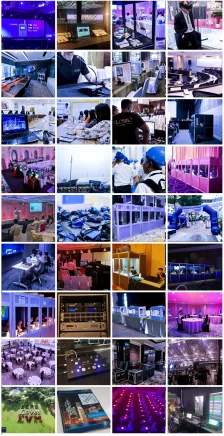
With over 10 years of experience in event technology, Rick is an expert in integrating cutting-edge tech solutions for seamless event execution. His expertise includes tour guide system setup, audio-visual setups, interactive displays, and live-streaming technologies. Rick’s innovative approach ensures every event is technologically advanced and highly engaging.
YouTube Videos on Multi-Event Management

Academic References for Multi-Event Management
- Document-level multi–event extraction with event proxy nodes and hausdorff distance minimization
- Incorporating multi–event and multi-site data in the calibration of SWMM
- A Decison Support System For A Large, Multi–Event Tournament
- Study on multi–event opportunistic maintenance decision-making model based on condition
- Calculation method of delay claims with multi–event interference based on shapley value
- Multi–event ethnography: Doing research in pluralistic settings
- A context-aware multi–event identification method for nonintrusive load monitoring
- Vistas of Multi-Event Program Organizations
- Event-Triggered Hierarchical Multi-Mode Management Strategy for Source-Load-Storage in Microgrids
- Tourist’s rational and emotional engagement across events: a multi-event integration view
Contacts
Certification

Testimonials


Event Technology