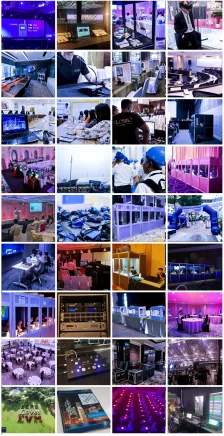
Navigating the challenges of Multi-Event Management
In the dynamic world of event planning, managing multiple events simultaneously has become a norm rather than an exception. Multi-event management demands a high level of organization, strategic planning, and adaptability. This comprehensive guide delves into the intricacies of handling multiple events, offering insights into best practices, common challenges, and innovative solutions. Whether you are an experienced event planner or new to the field, this article will equip you with the knowledge to navigate the complexities of multi-event management effectively.
Understanding Multi-Event Management
1. Definition and Scope
- Comprehensive Overview: Multi-event management involves the coordination and execution of multiple events within a specific timeframe. These events can range from corporate conferences and trade shows to cultural festivals and sporting tournaments. The primary goal is to ensure that each event runs smoothly, meets its objectives, and delivers a positive experience for all stakeholders.
- Scale and Complexity: The scale of multi-event management can vary significantly. It may involve managing a series of small, local events or coordinating large-scale, international conferences. The complexity arises from the need to juggle multiple timelines, budgets, and logistical requirements simultaneously.
- Stakeholder Engagement: Effective multi-event management requires engaging with a diverse range of stakeholders, including clients, sponsors, vendors, and attendees. Building strong relationships and maintaining open lines of communication are crucial for success.
- Technological Integration: Leveraging technology is essential for streamlining operations and enhancing efficiency. Event management software, mobile apps, and digital marketing tools play a pivotal role in coordinating multiple events seamlessly.
2. Importance and Benefits
- Efficiency and Cost Savings: Managing multiple events concurrently can lead to significant cost savings and operational efficiencies. Shared resources, such as venues, staff, and equipment, can be utilized across events, reducing overall expenses.
- Brand Consistency: Advanced multi-event management allows organizations to maintain brand consistency across various events. This consistency helps in building a strong brand identity and enhances recognition among target audiences.
- Enhanced Stakeholder Experience: By coordinating multiple events, organizations can offer a cohesive and engaging experience for stakeholders. This can lead to increased satisfaction, loyalty, and positive word-of-mouth referrals.
- Data-Driven Insights: Managing multiple events provides valuable data and insights that can inform future planning and strategy. Analyzing attendee feedback, engagement metrics, and operational performance can help identify areas for improvement and innovation.
Strategic Planning for Multi-Event Management
1. Setting Clear Objectives
- Defining Goals: The first step in strategic planning is to define clear objectives for each event. These goals should align with the overall organizational strategy and be specific, measurable, achievable, relevant, and time-bound (SMART).
- Stakeholder Alignment: Engage with stakeholders to understand their expectations and align objectives accordingly. Regular communication and feedback loops ensure that everyone is on the same page.
- Prioritization: Prioritize events based on their importance, impact, and urgency. This helps in allocating resources effectively and focusing efforts on high-priority events.
- Risk Assessment: Conduct a thorough risk assessment to identify potential challenges and develop contingency plans. This proactive approach helps in mitigating risks and ensuring smooth event execution.
2. Developing a Comprehensive Plan
- Timeline Creation: Create a detailed timeline for each event, outlining key milestones, deadlines, and deliverables. This timeline should be flexible enough to accommodate changes and unforeseen circumstances.
- Budget Allocation: Develop a comprehensive budget for each event, considering all potential costs, including venue, staffing, marketing, and contingencies. Regularly review and update the budget to ensure financial viability.
- Resource Allocation: Allocate resources, such as staff, equipment, and technology, based on the needs of each event. Efficient resource management is crucial for ensuring that all events run smoothly.
- Venue Selection: Choose appropriate venues for each event, considering factors such as capacity, accessibility, and amenities. Negotiate contracts and ensure that all venue-related logistics are in place.
3. Leveraging Technology
- Event Management Software: Utilize event management software to streamline planning, coordination, and execution. These tools offer features such as registration management, attendee tracking, and real-time updates.
- Mobile Apps: Develop mobile apps to enhance attendee engagement and provide essential information, such as event schedules, speaker bios, and interactive maps.
- Digital Marketing: Leverage digital marketing channels, including social media, email campaigns, and search engine optimization (SEO), to promote events and engage with target audiences.
- Data Analytics: Use data analytics to track event performance, attendee behavior, and stakeholder feedback. These insights can inform future planning and improve event outcomes.
Operational Challenges in Multi-Event Management
1. Logistical Coordination
- Venue Management: Coordinating multiple venues simultaneously can be challenging. Ensuring that each venue is properly set up, staffed, and equipped requires meticulous planning and communication.
- Transportation and Accommodation: Managing transportation and accommodation for attendees, speakers, and staff is a critical aspect of event logistics. Ensuring smooth travel arrangements and comfortable accommodations enhances the overall event experience.
- Equipment and Technology: Procuring and managing equipment and technology for multiple events can be complex. Ensuring that all necessary tools and systems are in place and functioning properly is essential for event success.
- Staffing and Volunteers: Recruiting, training, and managing staff and volunteers for multiple events require careful coordination. Ensuring that all team members are well-prepared and motivated is crucial for delivering a positive event experience.
2. Budget Management
- Cost Overruns: Managing budgets for multiple events can be challenging, especially when dealing with cost overruns and unexpected expenses. Regularly reviewing and adjusting budgets helps in maintaining financial control.
- Sponsorship and Funding: Securing sponsorship and funding for multiple events requires strategic planning and effective communication. Building strong relationships with sponsors and clearly articulating the value proposition are essential for securing financial support.
- Financial Tracking: Implementing robust financial tracking systems helps in monitoring expenses, revenue, and profitability for each event. This data is crucial for making informed decisions and ensuring financial sustainability.
- Contingency Planning: Developing contingency plans for financial emergencies, such as budget cuts or loss of sponsorship, helps in mitigating risks and ensuring event viability.
3. Stakeholder Communication
- Internal Communication: Effective internal communication is essential for coordinating multiple events. Regular team meetings, updates, and feedback loops ensure that everyone is informed and aligned.
- External Communication: Maintaining open lines of communication with external stakeholders, including clients, sponsors, and vendors, is crucial for event success. Regular updates, progress reports, and feedback mechanisms help in building strong relationships and ensuring stakeholder satisfaction.
- Crisis Communication: Developing a crisis communication plan helps in managing unexpected situations, such as event cancellations or emergencies. Clear and timely communication is essential for mitigating the impact of crises and maintaining stakeholder trust.
- Feedback Mechanisms: Implementing feedback mechanisms, such as surveys and focus groups, helps in gathering insights from stakeholders. This feedback is valuable for identifying areas for improvement and enhancing future events.
Enhancing Attendee Experience
1. Personalization and Engagement
- Customized Experiences: Creating personalized experiences for attendees enhances engagement and satisfaction. Tailoring content, activities, and interactions based on attendee preferences and interests adds value to the event experience.
- Interactive Elements: Incorporating interactive elements, such as live polls, Q&A sessions, and networking opportunities, fosters engagement and encourages participation.
- Technology Integration: Leveraging technology, such as event apps, virtual reality (VR), and augmented reality (AR), enhances the attendee experience by providing immersive and interactive features.
- Accessibility and Inclusivity: Ensuring that events are accessible and inclusive for all attendees, including those with disabilities, is essential for creating a positive and welcoming environment.
2. Content and Programming
- Relevant and Valuable Content: Developing relevant and valuable content is crucial for attracting and engaging attendees. Conducting research and gathering feedback helps in identifying topics and speakers that resonate with the target audience.
- Diverse Programming: Offering a diverse range of programming, including keynote speeches, workshops, panel discussions, and social events, caters to different interests and preferences.
- Speaker Selection: Choosing knowledgeable and engaging speakers is essential for delivering high-quality content. Conducting thorough research and vetting potential speakers ensures that they align with the event’s objectives and audience expectations.
- Continuous Improvement: Gathering feedback and continuously improving content and programming helps in enhancing the attendee experience and ensuring the relevance and value of future events.
3. Networking and Collaboration
- Facilitating Connections: Creating opportunities for attendees to network and collaborate is a key aspect of event management. Designated networking areas, structured networking sessions, and facilitated introductions help in fostering meaningful connections.
- Community Building: Building a community around events encourages ongoing engagement and collaboration. Creating online forums, social media groups, and follow-up events helps in maintaining momentum and fostering long-term relationships.
- Partnerships and Alliances: Forming partnerships and alliances with complementary organizations and industry leaders enhances the value and reach of events. These collaborations can lead to joint initiatives, co-branded content, and shared resources.
- Mentorship and Support: Providing mentorship and support to attendees, especially those new to the industry or field, adds value to the event experience. Mentorship programs, coaching sessions, and resource centers help in fostering growth and development.
Measuring Success and Continuous Improvement
1. Key Performance Indicators (KPIs)
- Attendee Satisfaction: Measuring attendee satisfaction through surveys and feedback forms provides valuable insights into the event’s success. High satisfaction rates indicate that the event met or exceeded expectations.
- Engagement Metrics: Tracking engagement metrics, such as attendance rates, participation in activities, and social media interactions, helps in assessing the event’s impact and reach.
- Financial Performance: Evaluating financial performance, including revenue, expenses, and profitability, is crucial for determining the event’s success. Positive financial outcomes indicate effective budget management and cost control.
- Stakeholder Feedback: Gathering feedback from stakeholders, including clients, sponsors, and vendors, provides a comprehensive view of the event’s success. Positive feedback and satisfaction rates indicate strong stakeholder relationships and alignment with objectives.
2. Post-Event Analysis
- Data Collection: Collecting data from various sources, including attendee surveys, social media analytics, and financial reports, provides a holistic view of the event’s performance.
- Qualitative and Quantitative Analysis: Conducting both qualitative and quantitative analyses helps in identifying trends, patterns, and areas for improvement. Qualitative data, such as attendee feedback and stakeholder interviews, provide insights into the event experience, while quantitative data, such as attendance rates and financial metrics, offer measurable outcomes.
- Benchmarking: Benchmarking event performance against industry standards and previous events helps in assessing progress and identifying best practices. Comparing metrics such as attendance rates, engagement levels, and financial performance provides a context for evaluating success.
- Actionable Insights: Deriving actionable insights from post-event analysis is crucial for continuous improvement. Identifying strengths, weaknesses, opportunities, and threats (SWOT analysis) helps in developing strategies for enhancing future events.
3. Implementing Improvements
- Strategic Planning: Incorporating insights from post-event analysis into strategic planning helps in refining objectives, improving processes, and enhancing event outcomes.
- Innovation and Creativity: Encouraging innovation and creativity in event planning and execution helps in staying ahead of trends and meeting evolving stakeholder expectations. Experimenting with new formats, technologies, and engagement strategies fosters continuous improvement.
- Stakeholder Engagement: Engaging stakeholders in the improvement process ensures that their needs and expectations are met. Regular communication, feedback loops, and collaborative planning help in aligning objectives and enhancing event success.
- Continuous Learning: Embracing a culture of continuous learning and improvement helps in staying agile and adaptable in the ever-changing event landscape. Staying updated with industry trends, best practices, and technological advancements ensures that events remain relevant and impactful.
Future Trends in Multi-Event Management
1. Technology and Innovation
- Artificial Intelligence (AI) and Machine Learning (ML): The integration of AI and ML in event management is transforming the industry. These technologies enable personalized recommendations, predictive analytics, and automated processes, enhancing efficiency and attendee experience.
- Virtual and Hybrid Events: The rise of virtual and hybrid events has expanded the reach and accessibility of events. Leveraging virtual platforms and technologies enables global participation and engagement, breaking geographical barriers.
- Sustainability and Green Events: There is a growing emphasis on sustainability and green events. Implementing eco-friendly practices, such as reducing waste, conserving energy, and promoting sustainable vendors, aligns with environmental goals and enhances brand reputation.
- Data-Driven Decision Making: The increasing availability of data and analytics tools enables data-driven decision-making in event management. Leveraging data insights helps in optimizing processes, enhancing attendee experience, and achieving better outcomes.
2. Attendee Experience and Engagement
- Personalization and Customization: The demand for personalized and customized event experiences is on the rise. Leveraging technology and data analytics enables event planners to tailor content, activities, and interactions to meet individual preferences and needs.
- Interactive and Immersive Experiences: Creating interactive and immersive experiences enhances attendee engagement and satisfaction. Incorporating elements such as gamification, VR, and AR provides memorable and impactful event experiences.
- Community and Networking: Building and fostering communities around events encourages ongoing engagement and collaboration. Creating opportunities for attendees to connect, share, and learn from each other enhances the overall event experience.
- Accessibility and Inclusivity: Ensuring that events are accessible and inclusive for all attendees is a growing priority. Implementing accessibility features, such as closed captions, sign language interpreters, and inclusive content, promotes diversity and inclusivity.
3. Industry Collaboration and Partnerships
- Strategic Alliances: Forming strategic alliances and partnerships with complementary organizations and industry leaders enhances the value and reach of events. These collaborations can lead to joint initiatives, co-branded content, and shared resources.
- Knowledge Sharing and Best Practices: Sharing knowledge and best practices within the industry fosters innovation and continuous improvement. Participating in industry forums, conferences, and networking events enables event planners to stay updated with trends and learn from peers.
- Technology Integration: Integrating event management technologies with other business systems, such as customer relationship management (CRM) and marketing automation, enhances efficiency and data insights. Seamless integration enables better coordination, personalization, and analytics.
- Sustainable Practices: Adopting sustainable practices and promoting green events is a growing trend in the industry. Implementing eco-friendly initiatives, such as reducing waste, conserving energy, and promoting sustainable vendors, aligns with environmental goals and enhances brand reputation.
Summary of Multi-Event Management
Navigating the challenges of multi-event management requires a strategic approach, meticulous planning, and a commitment to continuous improvement. By understanding the nuances of managing multiple events, leveraging technology, and focusing on stakeholder engagement, event planners can deliver successful and impactful events. Embracing future trends and prioritizing attendee experience, sustainability, and industry collaboration will further enhance the value and reach of events. As the event landscape continues to evolve, staying agile, adaptable, and innovative will be key to thriving in the dynamic world of multi-event management.

Rick Lee
Project Manager – Event Technology
Email: rick.lee@globibo.com
Case Study: Large-scale interpretation with event tech support
News: Globibo provided tour-based interpretation for an event company in Malaysia
Portfolio: Event Technology, Events Studio
With over 10 years of experience in event technology, Rick is an expert in integrating cutting-edge tech solutions for seamless event execution. His expertise includes tour guide system setup, audio-visual setups, interactive displays, and live-streaming technologies. Rick’s innovative approach ensures every event is technologically advanced and highly engaging.
YouTube Videos on Multi-Event Management

Academic References for Multi-Event Management
- Double-Mode Energy Management for Multi-Energy System via Distributed Dynamic Event-Triggered Newton-Raphson Algorithm
- Differences in perception of safety before and after school shootings: A multi–event analysis
- Multi–event modeling of true reproductive states of individual female right whales provides new insights into their decline
- A structured methodology for the development of anticipative event management systems with self-recovery capability
- International Event Management: Bridging the Gap Between …
- Events Management
- Routledge Handbook of Sports Event Management
- Events Management: An Introduction
- Multi–event complex logistics network model
- Strategic Sports Event Management: Third edition
Contacts
Certification

Testimonials


Event Technology