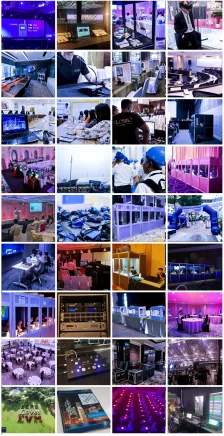
Smart Exhibitor Management for successful events
Effective exhibitor management is crucial to the success of any event, be it a trade show, conference, or exhibition. The exhibitor experience is at the heart of event management, as exhibitors are often the primary revenue source and play a key role in the overall success of an event. To optimize the exhibitor experience and ensure seamless operations, a smart exhibitor management system (EMS) is essential. In this article, we will explore the role of smart exhibitor management in events, its key features, benefits, and best practices for implementation.
The Importance of Exhibitor Management
Exhibitors are typically the lifeblood of any event, as they contribute not only through financial investment but also by enhancing the event’s content and overall experience. Proper exhibitor management ensures that all exhibitor needs are met, and that their experience at the event is seamless, efficient, and productive.
Exhibitor management involves the organization, coordination, and support of exhibitors throughout the event lifecycle. This includes managing exhibitor registration, booth allocation, logistical support, marketing, and post-event follow-up. When executed well, exhibitor management ensures a smooth event flow and fosters positive relationships with exhibitors, leading to increased participation in future events.
Components of Smart Exhibitor Management
A smart exhibitor management system (EMS) integrates modern technology and data analytics to streamline the management process, improve communication, and enhance the overall experience for exhibitors. Below are the key components of a smart EMS:
1. Online Registration and Booth Allocation
- Exhibitors can register online and select their preferred booth locations based on availability. The EMS can display an interactive floor plan, allowing exhibitors to choose their booth spaces, reducing manual intervention and errors.
- Booth allocation can be automated based on exhibitor preferences, booth size, or priority.
2. Automated Communication and Notifications
- An EMS sends automated reminders and notifications to exhibitors regarding important deadlines, booth setup instructions, and event schedules.
- This feature improves communication efficiency and reduces the risk of exhibitors missing important updates.
3. Real-Time Analytics and Reporting
- A smart EMS allows event organizers to track exhibitor registration data, booth sales, and attendee engagement in real time.
- Reports can be generated to provide insights into exhibitor performance, helping organizers optimize the event and make data-driven decisions.
4. Lead Management and Networking Tools
- Many EMS platforms offer integrated lead management tools, allowing exhibitors to capture and manage leads during the event.
- Networking features can connect exhibitors with potential clients, partners, or attendees based on their interests, creating more opportunities for exhibitors.
5. Onsite Management and Support
- An EMS facilitates smooth onsite operations, including exhibitor check-in, badge printing, and access control.
- It can also support real-time troubleshooting and provide exhibitors with a direct line of communication to event organizers for immediate assistance.
6. Post-Event Feedback and Analytics
- After the event, a smart EMS gathers feedback from exhibitors regarding their experience, allowing organizers to identify areas for improvement.
- The system can generate post-event reports that provide valuable insights into the event’s overall success, exhibitor satisfaction, and potential improvements for future events.
Benefits of Implementing a Smart Exhibitor Management System
Implementing a smart exhibitor management system offers numerous benefits for both event organizers and exhibitors. These benefits extend across the entire event lifecycle, from planning and execution to post-event follow-up.
1. Increased Efficiency
- By automating many of the tasks involved in exhibitor management, such as registration, booth allocation, and communication, an EMS saves valuable time for event organizers.
- Exhibitors benefit from a streamlined registration process and can manage their participation more efficiently.
2. Improved Communication
- An EMS ensures that exhibitors receive timely updates and important information throughout the event cycle. Automated notifications help exhibitors stay informed about deadlines, event schedules, and changes to the program.
- Enhanced communication minimizes the risk of misunderstandings and ensures that exhibitors are prepared for the event.
3. Better Data Management
- A smart EMS allows for the centralization of all exhibitor data in a secure, digital platform. This data can be easily accessed and updated by both organizers and exhibitors, reducing the need for paper-based records and minimizing errors.
- Data insights allow organizers to track exhibitor performance and make data-driven decisions for future events.
4. Enhanced Exhibitor Experience
- A seamless, efficient process leads to a better experience for exhibitors. From registration to post-event follow-up, exhibitors will appreciate the ease and transparency of a well-managed event.
- The system’s lead management tools also help exhibitors track potential business opportunities, enhancing the value they derive from the event.
5. Cost Savings
- By automating many aspects of exhibitor management, organizations can reduce administrative costs, saving both time and money.
- Additionally, the real-time data provided by an EMS can help event organizers optimize resources, such as booth space allocation, to ensure maximum revenue generation.
Best Practices for Implementing Smart Exhibitor Management
To ensure the successful implementation of an exhibitor management system, event organizers should follow these best practices:
1. Define Clear Objectives
- Before implementing an EMS, organizers should define their objectives for the event. These could include goals such as improving exhibitor satisfaction, increasing revenue, or enhancing networking opportunities.
- A clear understanding of objectives will help guide the selection of an appropriate EMS platform and features.
2. Select the Right EMS Platform
- Not all exhibitor management systems are created equal. Event organizers should select a platform that meets the specific needs of their event. Key considerations include ease of use, scalability, integration capabilities, and support services.
- It is also important to ensure that the platform offers features such as automated communication, real-time analytics, and lead management.
3. Provide Training and Support
- Both organizers and exhibitors should be trained on how to use the EMS platform. Providing adequate training ensures that everyone is familiar with the system’s features and capabilities, reducing the risk of errors.
- Support should also be readily available during the event to address any issues that arise.
4. Leverage Data Analytics
- Use the data collected by the EMS to gain insights into exhibitor behavior, attendee engagement, and overall event performance. This data can be used to improve future events, refine exhibitor strategies, and optimize booth space allocation.
- Post-event surveys and feedback tools should be used to gather exhibitor opinions, which can provide valuable input for refining the exhibitor management process.
5. Foster Exhibitor Relationships
- The exhibitor experience should not end when the event concludes. Organizers should maintain communication with exhibitors after the event, providing them with valuable insights, such as attendee engagement metrics or potential leads generated during the event.
- Building strong relationships with exhibitors helps ensure their participation in future events and encourages long-term loyalty.
Features of Smart Exhibitor Management Systems
| Feature | Description |
| Online Registration | Allows exhibitors to register and select booths online, reducing manual effort. |
| Booth Allocation | Automated booth allocation based on exhibitor preferences and availability. |
| Automated Communication | Sends automated reminders, updates, and event schedules to exhibitors. |
| Real-Time Analytics | Provides live data on registration, booth sales, and exhibitor performance. |
| Lead Management | Helps exhibitors capture, manage, and track leads during the event. |
| Onsite Support | Facilitates check-in, badge printing, and access control during the event. |
| Post-Event Analytics | Collects exhibitor feedback and provides insights into event performance. |
Benefits and Features of Smart Exhibitor Management
1. Benefits of Smart Exhibitor Management
- Increased Efficiency: Automates tasks, reducing administrative burden.
- Improved Communication: Keeps exhibitors informed throughout the event lifecycle.
- Better Data Management: Centralizes data for easy access and updates.
- Enhanced Exhibitor Experience: Streamlines registration, communication, and lead tracking.
- Cost Savings: Reduces administrative costs and optimizes resource allocation.
2. Features of Smart Exhibitor Management Systems
- Online Registration & Booth Allocation: Exhibitors can register and select booth locations easily.
- Automated Communication & Notifications: Ensures timely updates and reminders.
- Real-Time Analytics & Reporting: Provides actionable insights into exhibitor performance.
- Lead Management Tools: Helps exhibitors capture and manage leads during the event.
- Onsite Management & Support: Facilitates smooth operations, including check-in and badge printing.
Summary of Smart Exhibitor Management
Smart exhibitor management is integral to the success of modern events. By implementing an efficient EMS, event organizers can streamline operations, enhance exhibitor satisfaction, and increase the overall effectiveness of the event. From registration and booth allocation to post-event feedback, a smart EMS provides a seamless, data-driven approach to managing exhibitors, improving communication, and optimizing the exhibitor management experience. By following best practices and leveraging the right technology, event organizers can ensure the success of their events and foster long-term relationships with exhibitors.
YouTube Videos on Smart Exhibitor Management


Academic References for Smart Exhibitor Management
- Emerging technologies in the event industry
- [BOOK] Festival & special event management
- [BOOK] Exhibit marketing and trade show intelligence: successful boothmanship and booth design
- Trade show visitors and key technological trends: from a literature review to a conceptual framework
- Effect of exhibition facilities, professional competence, and green procurement on green meeting, incentive travel, convention, and exhibition industry performance …
- Artificial Intelligence applications for event management and marketing
- Exhibition service quality and its influence to exhibitor satisfaction
- [BOOK] Reinventing live: The always-on future of events
- [PDF] Guideline: Successfully plan an exhibition at a trade show
- … use of virtual exhibition to promote exhibitors‘ pro-environmental behavior: The case study of Zhejiang Yiwu International Intelligent Manufacturing Equipment Expo

Rick Lee
Project Manager – Event Technology
Email: rick.lee@globibo.com
Case Study: Large-scale interpretation with event tech support
News: Globibo provided tour-based interpretation for an event company in Malaysia
Portfolio: Event Technology, Events Studio
With over 10 years of experience in event technology, Rick is an expert in integrating cutting-edge tech solutions for seamless event execution. His expertise includes tour guide system setup, audio-visual setups, interactive displays, and live-streaming technologies. Rick’s innovative approach ensures every event is technologically advanced and highly engaging.
Contacts
Certification

Testimonials






Event Technology