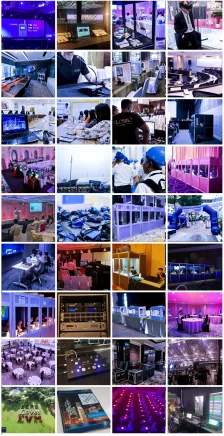
Optimizing Exhibitor Management for flawless execution
Exhibitor management is a critical component of any successful event, particularly for trade shows, conferences, and exhibitions. Whether you’re organizing a large-scale international event or a smaller, specialized gathering, the effective management of exhibitors is key to ensuring a seamless experience for all parties involved. Optimizing exhibitor management not only enhances the experience for exhibitors but also improves attendee satisfaction, maximizes event efficiency, and ensures smooth operations from start to finish.
In this article, we will explore various strategies and technologies to optimize exhibitor management, ensuring flawless execution. We will cover the process from the initial stages of planning and registration to post-event analysis, and we will also delve into the tools and techniques that can streamline workflows and improve overall event success.
Components of Exhibitor Management
Effective exhibitor management involves several key components, including:
a. Exhibitor Registration
The first step in any exhibitor management process is registration. This process typically includes collecting essential details about the exhibitor, their booth requirements, and the products or services they intend to showcase. It’s important to ensure that registration is as streamlined and automated as possible to minimize errors and delays.
b. Booth Allocation and Layout
Once exhibitors have registered, the next step is to assign booth spaces. Optimizing booth allocation is crucial for ensuring a smooth flow of traffic during the event. Effective layout planning should account for factors such as booth size, proximity to entrances or popular attractions, and the types of exhibitors being placed next to each other.
c. Communication with Exhibitors
Communication plays a crucial role in exhibitor management. Keeping exhibitors informed about event details, deadlines, and any changes to schedules is essential for ensuring their satisfaction and success. Utilizing automated email systems and event apps can simplify this process.
d. Logistics and Support
Managing the logistics of an event involves ensuring that exhibitors have access to all the resources they need to set up and operate their booths. This includes things like power, internet access, shipping and receiving of materials, and on-site technical support. Proper coordination of these logistics ensures a hassle-free experience for exhibitors.
e. On-Site Management
On the day of the event, having a team dedicated to managing exhibitors on-site is essential. This team ensures that exhibitors have the support they need, that their booths are set up properly, and that any last-minute issues are resolved quickly.
f. Post-Event Feedback and Analysis
After the event, collecting feedback from exhibitors and analyzing event performance is critical for improving future events. This feedback provides valuable insights into what worked well and where improvements can be made, especially in the exhibitor management process.
Strategies for Optimizing Exhibitor Management
To ensure flawless execution, optimizing each component of exhibitor management is crucial. Below are several strategies that can be employed to enhance efficiency, reduce errors, and improve the overall exhibitor experience.
Implementing Event Management Software
Event management software (EMS) plays a central role in optimizing exhibitor management. It can automate many of the processes involved in registration, booth allocation, communication, and reporting. EMS platforms provide a centralized location for all event data, making it easier to manage multiple aspects of the event.
Benefits of Event Management Software:
- Streamlined Registration: Simplifies the process of registering exhibitors, allowing them to input all required details and choose booth spaces based on availability.
- Real-Time Updates: Exhibitors can receive real-time updates on event schedules, booth changes, and deadlines.
- Data Integration: Integrates with other systems, such as CRM or ticketing software, to provide a unified view of all event data.
Leveraging Online Booth Selection Tools
Online booth selection tools allow exhibitors to choose their preferred booth spaces in real-time. This approach removes the need for manual booth assignments, reducing errors and the time required to allocate spaces. Additionally, these tools often include visual maps of the event floor, enabling exhibitors to select the most strategic locations based on traffic patterns.
Enhancing Communication with Automation
Effective communication is crucial for exhibitor satisfaction. Automating communication with exhibitors can help ensure that important information reaches them in a timely manner. Automated emails and reminders about deadlines, setup times, and event schedules can reduce the burden on event organizers and improve exhibitor engagement.
Benefits of Automated Communication:
- Reduced Manual Effort: Reduces the need for manual email outreach, freeing up staff time for more critical tasks.
- Timely Notifications: Ensures that exhibitors receive updates and reminders on important deadlines and changes.
- Consistency: Helps maintain a consistent flow of communication, ensuring that no critical information is overlooked.
Using Data Analytics for Decision Making
Data analytics can play a pivotal role in optimizing exhibitor management. By collecting and analyzing data from past events, organizers can gain insights into booth performance, exhibitor preferences, and attendee behavior. This data can be used to make informed decisions about booth placement, layout adjustments, and exhibitor management services for future events.
Providing Comprehensive On-Site Support
During the event, having a dedicated support team available to assist exhibitors is crucial. This team should be equipped to handle any last-minute issues, whether they involve technical difficulties, logistical problems, or exhibitor inquiries. On-site support should also include easy access to essential resources like power, internet, and additional equipment.
Post-Event Analysis and Feedback Collection
After the event concludes, gathering feedback from exhibitors is essential for improving future event management. Surveys and interviews can provide valuable insights into the exhibitor experience, helping organizers identify areas for improvement. Data analytics tools can also be used to assess overall event performance and identify trends in exhibitor behavior.
Tools for Optimizing Exhibitor Management
A variety of tools are available to help streamline the smart exhibitor management process. Below are some of the most useful tools and platforms for optimizing exhibitor management:
| Tool/Platform | Purpose | Benefits |
| Event Management Software | Centralized platform for event planning and management | Streamlines registration, booth allocation, and communication |
| Booth Selection Software | Online tool for exhibitors to select booth spaces | Real-time booth selection, reducing manual allocation errors |
| CRM Software | Manages exhibitor data and communication | Improves relationships with exhibitors through personalized communication |
| Mobile Event Apps | Provides event details, schedules, and notifications | Enhances exhibitor engagement and on-the-go access to event information |
| Survey Tools | Collects feedback from exhibitors post-event | Gathers insights to improve future events |
Optimizing Exhibitor Management
Steps in the Exhibitor Management
a. Process Initial Registration
b. Collect Exhibitor Information
- Gather booth requirements
- Confirm payment and contract details
c. Booth Allocation and Layout
- Assign booth spaces based on preferences and availability
- Ensure effective floor plan design to optimize traffic flow
d. Communication and Updates
- Send automated reminders for deadlines and important dates
- Provide clear instructions for booth setup and event participation
e. On-Site Support and Logistics
- Ensure all logistical requirements are met (power, internet, materials)
- Provide on-site assistance for troubleshooting and last-minute requests
f. Post-Event Analysis
- Collect feedback from exhibitors on their experience
- Analyze event data for insights into improvements
Best Practices for Managing Exhibitors
1. Use Real-Time Data
- Monitor booth availability and exhibitor engagement using data analytics.
2. Prioritize Clear Communication
- Maintain open channels of communication through automated emails and mobile apps.
3. Offer Comprehensive Support
- Ensure exhibitors have access to technical support and logistical assistance on-site.
4. Gather Feedback Post-Event
- Use surveys and interviews to understand exhibitors’ needs and improve future events.
5. Optimize Booth Layouts
- Use event management software to visualize floor plans and strategically allocate booths.
Summary of Exhibitor Management
Optimizing exhibitor management is essential for the flawless execution of any event. By utilizing advanced technologies, automating processes, and ensuring clear communication, event organizers can provide a smooth and efficient experience for exhibitors. Whether it’s through the use of event management software, booth selection tools, or real-time data analytics, there are numerous ways to enhance exhibitor management. With careful planning, effective communication, and strategic decision-making, organizers can create a successful event that meets the needs of exhibitors and attendees alike.
YouTube Videos on Exhibitor Management


Academic References for Effective Exhibitor
- [BOOK] Performance management: Integrating strategy execution, methodologies, risk, and analytics
- Teaching supply chain management to business executives
- A dynamic approach to operations management: An alternative to static optimization
- [BOOK] Managing customer experience and relationships: A strategic framework
- Optimal control of execution costs
- Bao: Making learned query optimization practical
- A simulation-optimization approach for integrated sourcing and inventory decisions
- A conceptual and analytical framework for the management of risk in supply chains
- Life-cycle performance, management, and optimisation of structural systems under uncertainty: accomplishments and challenges 1
- Event-driven power management

Rick Lee
Project Manager – Event Technology
Email: rick.lee@globibo.com
Case Study: Large-scale interpretation with event tech support
News: Globibo provided tour-based interpretation for an event company in Malaysia
Portfolio: Event Technology, Events Studio
With over 10 years of experience in event technology, Rick is an expert in integrating cutting-edge tech solutions for seamless event execution. His expertise includes tour guide system setup, audio-visual setups, interactive displays, and live-streaming technologies. Rick’s innovative approach ensures every event is technologically advanced and highly engaging.
Contacts
Certification

Testimonials




Event Technology