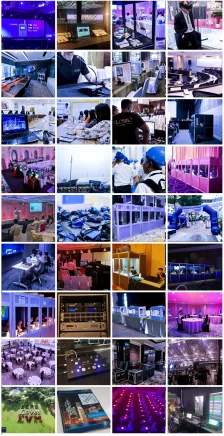
Mastering the art of Speakers Management for events
Introduction to Speakers Management
1. Understanding the Role of Speaker Management
- Definition and Importance: Speaker management is the process of coordinating, organizing, and overseeing the participation of speakers at events. This role is crucial in ensuring that events run smoothly and that the speakers deliver their presentations effectively.
- Impact on Event Success: Effective speaker management can significantly influence the success of an event. It ensures that speakers are well-prepared, that their presentations align with the event’s objectives, and that any technical or logistical issues are promptly addressed.
- Key Responsibilities: The responsibilities of speakers’ management include scheduling, coordinating with speakers, managing logistics, handling technical requirements, and ensuring that speakers adhere to the event’s guidelines and timelines.
- Challenges in Speakers Management: Some of the challenges include managing diverse speaker needs, handling last-minute changes, ensuring technical compatibility, and maintaining effective communication with all stakeholders.
2. The Evolution of Speaker Management
- Historical Perspective: Traditionally, speaker management involved manual processes such as phone calls, letters, and in-person meetings. The focus was primarily on logistics and basic coordination.
- Technological Advancements: With the advent of technology, speakers management has evolved to include digital tools for communication, scheduling, and presentation management. This has improved efficiency and reduced the margin for error.
- Current Trends: Today, speakers management often involves the use of specialized software and platforms that streamline the process. There is also a greater emphasis on personalization and ensuring that speakers have a positive experience.
- Future Directions: The future of speakers management is likely to see even more integration of AI and automation, as well as a focus on sustainability and inclusivity. Virtual and hybrid events are also becoming more common, requiring adaptable management strategies.
Pre-Event Planning and Coordination
1. Selecting the Right Speakers
- Identifying Event Objectives: The first step in selecting speakers is to clearly define the event’s objectives. This helps in identifying the type of speakers who can best contribute to achieving these goals.
- Research and Vetting: Conduct thorough research to identify potential speakers who align with the event’s themes and objectives. Vetting involves reviewing their credentials, past speaking engagements, and feedback from previous events.
- Diversity and Inclusion: Ensure that the speaker lineup is diverse and inclusive, representing different perspectives and backgrounds. This can enhance the richness of the event and appeal to a broader audience.
- Budget Considerations: Consider the budget allocated for speakers, including fees, travel, and accommodation. Negotiate terms that are mutually beneficial and within the event’s financial constraints.
2. Communication and Briefing
- Initial Contact: Establish initial contact with selected speakers to confirm their availability and interest. Provide a clear overview of the event, its objectives, and the expected role of the speaker.
- Detailed Briefing: Once confirmed, provide a detailed briefing that includes the event agenda, speaker guidelines, technical requirements, and any specific expectations or requests.
- Regular Updates: Maintain regular communication with speakers leading up to the event. Keep them informed about any changes in the schedule, updates on the event, and reminders about important deadlines.
- Pre-Event Meetings: Schedule pre-event meetings or calls to discuss the speaker’s presentation, address any concerns, and ensure that everything is on track.
Logistical and Technical Management
1. Venue and Equipment Coordination
- Venue Selection: Choose a venue that is suitable for the event and can accommodate the technical requirements of the speakers. Consider factors such as stage setup, seating arrangement, and accessibility.
- Equipment Needs: Identify the equipment needs of each speaker, such as microphones, projectors, and laptops. Ensure that the venue has the necessary equipment and that it is in good working condition.
- Technical Support: Arrange for technical support to be available during the event. This includes setting up equipment, troubleshooting issues, and ensuring that presentations run smoothly.
- Backup Plans: Have backup plans in place for technical failures, such as extra equipment or alternative presentation methods. This can help minimize disruptions and ensure a seamless event.
2. Scheduling and Timeline Management
- Creating a Detailed Schedule: Develop a detailed schedule that includes the timing of each speaker’s presentation, breaks, and other event activities. Ensure that the schedule is realistic and allows for buffer time between sessions.
- Time Management: Communicate the importance of adhering to the schedule with speakers. Provide time signals or cues to help them stay on track during their presentations.
- Handling Delays: Be prepared to handle delays or changes in the schedule. Have a contingency plan in place to adjust the timeline as needed without disrupting the overall flow of the event.
- Coordination with Other Event Elements: Ensure that the speaker schedule is coordinated with other event elements, such as catering, networking sessions, and entertainment. This helps in creating a cohesive and well-organized event experience.
On-Site management & support
1. Speaker Arrival and Preparation
- Welcome and Orientation: Greet speakers upon their arrival and provide them with an orientation of the venue and event setup. Ensure they are comfortable and have everything they need for their presentation.
- Technical Rehearsals: Conduct technical rehearsals to test equipment and ensure that presentations are compatible with the venue’s systems. This helps in identifying and resolving any issues before the event starts.
- Speaker Lounge: Provide a designated speaker lounge or green room where speakers can relax, prepare, and network with each other. Ensure that the lounge is well-equipped with amenities such as refreshments and internet access.
- Last-Minute Requests: Be prepared to handle last-minute requests or changes from speakers. Maintain a flexible and accommodating approach to ensure their needs are met.
2. Real-Time Coordination and Troubleshooting
- On-Site Coordination: During the event, coordinate with speakers to ensure they are ready for their presentations and that everything is running smoothly. Provide updates on any changes in the schedule or venue setup.
- Troubleshooting Issues: Be proactive in troubleshooting any issues that arise during the event, such as technical problems, scheduling conflicts, or speaker concerns. Address these issues promptly to minimize disruptions.
- Audience Engagement: Monitor audience engagement and feedback during the event. Provide speakers with insights or suggestions to enhance their presentations and better connect with the audience.
- Post-Presentation Support: After each presentation, provide support to speakers as needed, such as assisting with Q&A sessions, facilitating networking opportunities, or addressing any follow-up requests.
Post-Event evaluation & follow-up
1. Gathering Feedback
- Speaker Feedback: Collect feedback from speakers about their experience at the event. Ask for their input on the organization, communication, technical support, and overall satisfaction.
- Audience Feedback: Gather feedback from the audience about the speakers and their presentations. Use surveys or feedback forms to capture their thoughts and suggestions.
- Event Team Feedback: Seek feedback from the event team and other stakeholders involved in speakers management. Identify areas for improvement and best practices to implement in future events.
- Data Analysis: Analyze the feedback data to gain insights into the strengths and weaknesses of the speakers management process. Use this information to make informed decisions and improvements.
2. Follow-Up and Relationship Building
- Thank You Notes: Send thank you notes or emails to speakers, expressing gratitude for their participation and contribution to the event’s success.
- Post-Event Updates: Provide speakers with post-event updates, such as event highlights, audience feedback, and any follow-up actions or opportunities.
- Networking Opportunities: Facilitate networking opportunities for speakers, such as introductions to other industry professionals or invitations to future events.
- Future Collaborations: Explore opportunities for future collaborations with speakers. Discuss potential speaking engagements, partnerships, or other ways to continue the relationship.
Best practices in Speakers Management
1. Effective Communication
- Clear and Concise: Ensure that all communication with speakers is clear, concise, and timely. Provide them with all the necessary information and updates in a straightforward manner.
- Active Listening: Practice active listening when communicating with speakers. Address their concerns, answer their questions, and provide support as needed.
- Multiple Channels: Use multiple communication channels, such as email, phone, and in-person meetings, to ensure that speakers receive and understand the information provided.
- Feedback Loop: Establish a feedback loop with speakers to continuously gather their input and make improvements in the management process.
2. Attention to Detail
- Thorough Planning: Pay attention to every detail in the planning and execution of speakers management. This includes logistics, technical requirements, scheduling, and speaker preferences.
- Personalized Experience: Provide a personalized experience for each speaker, tailoring the management process to their specific needs and preferences.
- Quality Control: Implement quality control measures to ensure that all aspects of speakers management meet the highest standards. This includes regular checks and reviews of the process.
- Contingency Planning: Have contingency plans in place for any potential issues or challenges that may arise. Be prepared to adapt and make changes as needed to ensure a successful event.
Challenges & Solutions in Speakers Management
1. Managing Diverse Speaker Needs
- Understanding Needs: Recognize that each speaker may have unique needs and preferences. Take the time to understand these needs and accommodate them as much as possible.
- Flexibility: Be flexible in your approach to speakers management, adapting to the specific requirements and circumstances of each speaker.
- Inclusive Practices: Implement inclusive practices to ensure that all speakers feel valued and respected, regardless of their background or needs.
- Support Systems: Provide support systems, such as accessibility features or interpreter services, to address the diverse needs of speakers.
2. Handling Last-Minute Changes
- Preparedness: Be prepared for last-minute changes, such as speaker cancellations, schedule adjustments, or technical issues. Have backup plans and contingency measures in place.
- Quick Decision-Making: Develop the ability to make quick decisions and take action when faced with last-minute changes. Prioritize the needs of the event and the speakers in your decision-making process.
- Communication: Maintain open and transparent communication with speakers and other stakeholders when handling last-minute changes. Keep them informed and involved in the process.
- Adaptability: Foster a culture of adaptability within the event team, encouraging flexibility and problem-solving in the face of unexpected challenges.
Future Trends in Speakers’ Management
1. Technology Integration
- AI and Automation: The integration of AI and automation in speakers management can streamline processes, improve efficiency, and enhance the overall experience for speakers and event organizers.
- Virtual and Hybrid Events: The rise of virtual and hybrid events requires speakers management to adapt to new formats and technologies. This includes managing remote speakers, ensuring technical compatibility, and facilitating virtual engagement.
- Data Analytics: The use of data analytics can provide valuable insights into speakers management, helping to identify trends, optimize processes, and make data-driven decisions.
- Interactive Tools: Incorporating interactive tools, such as polls, Q&A platforms, and virtual networking spaces, can enhance the engagement and interaction between speakers and the audience.
2. Sustainability and Inclusivity
- Sustainable Practices: Implementing sustainable practices in speakers management can reduce the environmental impact of events. This includes using eco-friendly materials, minimizing waste, and promoting sustainable travel options.
- Inclusive Design: Designing events with inclusivity in mind ensures that all speakers and attendees feel welcome and valued. This includes providing accessibility features, diverse speaker lineups, and inclusive content.
- Community Engagement: Engaging with the local community and incorporating their input and participation can enhance the relevance and impact of events. This includes involving local speakers, partners, and stakeholders in the planning and execution process.
- Continuous Improvement: Embracing a mindset of continuous improvement in speakers management can drive innovation, enhance the quality of events, and meet the evolving needs of speakers and attendees.
Summary of Speakers Management
Mastering the art of managing event speakers is a complex and multifaceted process that requires careful planning, effective communication, and attention to detail. By understanding the role of speakers management, implementing best practices, and staying adaptable to future trends, event organizers can ensure the success of their events and create meaningful experiences for speakers and attendees alike. The continuous evolution of technology and the increasing focus on sustainability and inclusivity present both challenges and opportunities for speakers management, driving innovation and improvement in the field.

Rick Lee
Project Manager – Event Technology
Email: rick.lee@globibo.com
Case Study: Large-scale interpretation with event tech support
News: Globibo provided tour-based interpretation for an event company in Malaysia
Portfolio: Event Technology, Events Studio
With over 10 years of experience in event technology, Rick is an expert in integrating cutting-edge tech solutions for seamless event execution. His expertise includes tour guide system setup, audio-visual setups, interactive displays, and live-streaming technologies. Rick’s innovative approach ensures every event is technologically advanced and highly engaging.
Academic References for Speakers Management
- The Leadership Factor in Management Education: Examining the Impact of an Industry Speakers Series on Leadership Efficacy in a Minority Serving MBA Program
- [PDF] Management of Islamic Education on Indonesian Language Learning for Foreign Speaker Program
- The Guest Speaker Management Process
- Research on outdoor mobile music speaker battery management algorithm based on dynamic redundancy
- [PDF] SPEAKER MANAGEMENT PAPERS
- The Role of the Speaker in the 20th Century
- Internet of Speaking Things: A survey about opinions on smart speakers
- Evaluating Your Public Speaker Bureau Program
- [PDF] Speaker Information
- Selecting the right speaker
Contacts
Certification

Testimonials



Event Technology