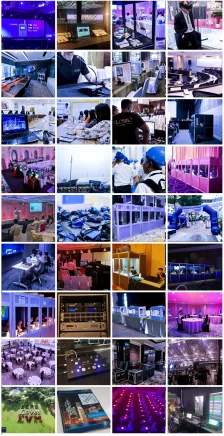
Event Engagement with Professional Speakers Management
Introduction to Speakers Management
1. Understanding Speakers Management
- Definition and Importance: Speaker management involves the strategic planning, coordination, and execution of activities related to speakers at events. It is a critical aspect of event planning that ensures speakers are well-prepared, aligned with event objectives, and capable of delivering impactful presentations. Effective speaker management can significantly enhance event engagement, attendee satisfaction, and overall event success.
- Role in Event Planning: In the broader context of event planning, speaker management is pivotal. It involves selecting the right speakers, coordinating their schedules, managing logistics, and ensuring their presentations align with the event’s theme and goals. Proper management of speakers can elevate the quality of content delivered, fostering a more engaging and memorable experience for attendees.
- Impact on Event Engagement: Engaging speakers can captivate audiences, stimulate discussions, and inspire action. By managing speakers effectively, event organizers can create a cohesive and compelling narrative that resonates with attendees. This, in turn, drives higher engagement levels, encourages networking, and promotes knowledge sharing.
- Challenges in Speaker Management: Managing speakers can be challenging due to various factors such as scheduling conflicts, technical issues, and the diverse needs of speakers. Addressing these challenges requires meticulous planning, clear communication, and adaptability. Overcoming these hurdles ensures that speakers can focus on delivering their best performances.
2. Key Components of Speakers Management
- Speaker Selection: Choosing the right speakers is the foundation of effective speaker management. It involves identifying individuals who are not only experts in their fields but also possess strong communication skills. The selection process should consider the event’s objectives, audience interests, and the speakers’ ability to engage and inspire attendees.
- Communication and Coordination: Clear and consistent communication is essential for professional speaker management. This includes regular updates on event details, logistical arrangements, and any changes in the schedule. Effective coordination ensures that speakers are well-informed and prepared, reducing the likelihood of last-minute issues.
- Logistical Support: Providing comprehensive logistical support to speakers is crucial. This encompasses travel arrangements, accommodation, technical requirements, and on-site assistance. Ensuring that speakers have everything they need allows them to focus on their presentations and deliver high-quality content.
- Content Alignment: Aligning speakers’ content with the event’s theme and objectives is vital. This involves collaborating with speakers to develop presentations that are relevant, engaging, and aligned with the overall event narrative. Content alignment helps create a cohesive and impactful event experience for attendees.
Strategies for Effective Speakers Management
1. Pre-Event Planning
- Define Event Objectives: Clearly defining the event’s objectives is the first step in effective speaker management. Understanding what the event aims to achieve helps in selecting speakers who can contribute to these goals. Whether the event focuses on education, networking, or inspiration, aligning speakers with these objectives is crucial.
- Identify Target Audience: Knowing the target audience is essential for selecting speakers who can resonate with attendees. Consider demographics, interests, and expectations to choose speakers who can engage and inspire the audience. Tailoring content to the audience’s needs enhances the overall event experience.
- Develop a Speaker Wish List: Creating a wish list of potential speakers based on their expertise, reputation, and alignment with event objectives is a proactive approach. This list should include a mix of keynote speakers, panelists, and workshop leaders who can provide diverse perspectives and engage the audience.
- Conduct Thorough Research: Researching potential speakers is crucial to ensure they are the right fit for the event. Review their past presentations, publications, and social media presence to assess their expertise and speaking style. This research helps in making informed decisions and avoiding potential mismatches.
2. Speaker Selection and Invitation
- Evaluate Speaker Proposals: If the event includes a call for proposals, evaluating speaker submissions is a critical task. Look for proposals that align with the event’s objectives, offer unique insights, and demonstrate the speaker’s ability to engage the audience. A systematic evaluation process ensures that the best proposals are selected.
- Personalized Invitations: Crafting personalized invitations for speakers shows appreciation for their expertise and increases the likelihood of acceptance. Highlight the event’s objectives, the speaker’s role, and the benefits of participating. A well-crafted invitation sets a positive tone for the collaboration.
- Negotiate Terms and Conditions: Negotiating terms and conditions with speakers is essential to ensure mutual agreement. Discuss honorariums, travel arrangements, accommodation, and technical requirements. Clear communication and transparency in negotiations build trust and establish a strong working relationship.
- Confirm Speaker Availability: Confirming speaker availability is crucial to avoid scheduling conflicts. Provide speakers with a clear timeline of the event, including their presentation slots, rehearsals, and any additional commitments. Early confirmation helps in finalizing the event schedule and logistics.
3. Content Development and Alignment
- Collaborate on Presentation Topics: Collaborating with speakers on presentation topics ensures alignment with the event’s objectives. Discuss potential topics, provide guidance on content development, and offer resources to support their preparations. This collaboration helps in creating cohesive and engaging presentations.
- Review Presentation Materials: Reviewing presentation materials before the event is essential to ensure quality and alignment. Provide feedback on content, structure, and visual aids to help speakers refine their presentations. This review process helps in identifying potential issues and making necessary improvements.
- Conduct Rehearsals: Conducting rehearsals allows speakers to familiarize themselves with the venue, technical setup, and event flow. Rehearsals help in identifying and addressing any logistical or technical issues, ensuring a smooth presentation on the event day. They also provide an opportunity for speakers to receive feedback and make final adjustments.
- Provide Content Guidelines: Offering content guidelines to speakers helps in maintaining consistency and quality across presentations. Guidelines should include presentation length, format, use of visual aids, and engagement strategies. Clear guidelines ensure that speakers deliver presentations that are aligned with the event’s objectives and engaging for the audience.
4. Logistical and Technical Support
- Travel and Accommodation Arrangements: Coordinating travel and accommodation arrangements for speakers is essential to ensure their comfort and convenience. Provide clear instructions, confirm bookings, and offer assistance with any special requirements. Seamless logistical support allows speakers to focus on their presentations and deliver their best performances.
- Technical Requirements: Addressing speakers’ technical requirements is crucial for a successful presentation. Discuss their needs for audio-visual equipment, internet connectivity, and other technical support. Ensure that the venue is equipped to meet these requirements and conduct technical rehearsals to address any potential issues.
- On-Site Assistance: Providing on-site assistance to speakers helps in addressing any last-minute issues or requests. Assign a dedicated point of contact who can assist with logistical, technical, or personal needs. Prompt and efficient support ensures that speakers can focus on their presentations and deliver high-quality content.
- Emergency Contingency Plans: Developing emergency contingency plans is essential to handle unexpected situations. Prepare for potential issues such as speaker cancellations, technical failures, or schedule changes. Having a backup plan ensures that the event can proceed smoothly despite any disruptions.
Engaging Speakers Management and Enhancing Event Experience
1. Interactive Session Formats
- Panel Discussions: Incorporating panel discussions allows for diverse perspectives and interactive dialogue. Select panelists with complementary expertise and encourage audience participation through Q&A sessions. Panel discussions foster engagement, knowledge sharing, and networking opportunities.
- Workshops and Breakout Sessions: Offering workshops and breakout sessions provides attendees with hands-on learning experiences. These interactive formats allow for deeper engagement with speakers and fellow attendees. Workshops and breakout sessions should be designed to address specific topics and provide practical takeaways.
- Fireside Chats: Fireside chats create an intimate and conversational atmosphere, allowing for in-depth discussions between speakers and attendees. This format encourages open dialogue, storytelling, and personal insights, enhancing the overall event experience.
- Networking Opportunities: Facilitating networking opportunities between speakers and attendees fosters meaningful connections and knowledge exchange. Organize networking sessions, meet-and-greet events, and social activities to encourage interaction and collaboration.
2. Audience Engagement Strategies
- Live Polls and Surveys: Incorporating live polls and surveys during presentations engages the audience and provides real-time feedback. These interactive tools encourage participation, gauge audience opinions, and enhance the overall event experience.
- Q&A Sessions: Allocating time for Q&A sessions allows attendees to ask questions, seek clarifications, and engage with speakers. Encourage speakers to prepare for potential questions and provide thoughtful responses. Q&A sessions foster dialogue, knowledge sharing, and audience engagement.
- Social Media Integration: Integrating social media into the event experience encourages attendees to share insights, engage with speakers, and expand the event’s reach. Create event-specific hashtags, live-tweet key moments, and encourage speakers to share their presentations and insights on social media platforms.
- Gamification: Incorporating gamification elements such as quizzes, challenges, and rewards enhances audience engagement and participation. Design gamification activities that align with the event’s objectives and encourage attendees to interact with speakers and each other.
3. Personalized Speaker Experiences
- Tailored Introductions: Crafting tailored introductions for speakers highlights their expertise, achievements, and relevance to the event. A well-crafted introduction sets the tone for the presentation and engages the audience from the start.
- Customized Content: Collaborating with speakers to customize their content for the event ensures relevance and engagement. Tailor presentations to address the audience’s interests, needs, and expectations. Customized content resonates with attendees and enhances the overall event experience.
- Personalized Feedback: Providing personalized feedback to speakers after their presentations helps in identifying areas for improvement and enhancing future performances. Offer constructive feedback on content, delivery, and engagement strategies. Personalized feedback fosters a culture of continuous improvement and excellence.
- Recognition and Appreciation: Recognizing and appreciating speakers’ contributions is essential for building strong relationships and encouraging future collaborations. Acknowledge their efforts through public recognition, thank-you notes, and tokens of appreciation. Recognition and appreciation foster a positive and supportive event environment.
4. Post-Event Follow-Up
- Gather Feedback: Collecting feedback from attendees and speakers after the event provides valuable insights into the event’s success and areas for improvement. Use surveys, interviews, and focus groups to gather comprehensive feedback on various aspects of the event, including speaker management.
- Share Presentation Materials: Sharing presentation materials with attendees after the event allows for continued learning and engagement. Provide access to slides, videos, and other resources through a dedicated event platform or website. Sharing presentation materials extends the event’s impact and value.
- Facilitate Follow-Up Conversations: Encouraging follow-up conversations between speakers and attendees fosters ongoing engagement and collaboration. Provide contact information, facilitate introductions, and create opportunities for continued dialogue and knowledge exchange.
- Evaluate Event Impact: Assessing the event’s impact on attendees, speakers, and organizational goals is crucial for measuring success and identifying areas for improvement. Analyze feedback, engagement metrics, and other relevant data to evaluate the event’s outcomes and inform future planning.
Overcoming Challenges in Speakers Management
1. Managing Speaker Cancellations
- Have a Backup Plan: Developing a backup plan for speaker cancellations is essential to ensure the event’s smooth operation. Identify potential replacement speakers, prepare alternative content, and communicate clearly with attendees about any changes. A proactive approach minimizes disruptions and maintains the event’s quality.
- Communicate Effectively: In the event of a speaker cancellation, effective communication is crucial to manage expectations and minimize disappointment. Inform attendees promptly, provide updates on replacement speakers or alternative arrangements, and address any concerns or questions.
- Leverage Technology: Utilizing technology such as pre-recorded presentations or virtual appearances can mitigate the impact of speaker cancellations. Ensure that the necessary technical infrastructure is in place to support these alternatives and provide a seamless experience for attendees.
- Engage the Audience: Engaging the audience through interactive activities, discussions, or alternative content can compensate for speaker cancellations. Encourage attendees to participate actively, share their insights, and contribute to the event’s success.
2. Addressing Technical Issues
- Conduct Technical Rehearsals: Conducting technical rehearsals before the event helps in identifying and addressing potential issues. Test audio-visual equipment, internet connectivity, and other technical requirements to ensure smooth operation during the event. Technical rehearsals provide an opportunity to troubleshoot and make necessary adjustments.
- Have On-Site Technical Support: Providing on-site technical support is crucial for addressing any issues that may arise during the event. Assign dedicated technical staff who can assist with equipment setup, troubleshooting, and resolving any technical difficulties promptly.
- Prepare Contingency Plans: Developing contingency plans for technical issues ensures that the event can proceed smoothly despite any disruptions. Have backup equipment, alternative presentation formats, and clear communication protocols in place to address technical challenges effectively.
- Communicate with Speakers: Maintaining open communication with speakers about technical requirements and potential issues is essential. Provide clear instructions, address any concerns, and offer support to ensure that speakers are prepared and confident in their presentations.
3. Ensuring Speaker Diversity and Inclusion
- Promote Diverse Representation: Actively seeking and promoting diverse representation among speakers is crucial for fostering inclusivity and enriching the event experience. Consider factors such as gender, race, ethnicity, and professional background when selecting speakers to ensure a diverse range of perspectives and insights.
- Create an Inclusive Environment: Creating an inclusive environment that welcomes and values diverse voices is essential for successful speaker management. Foster a culture of respect, openness, and collaboration, and address any biases or barriers that may hinder inclusivity.
- Provide Accessibility Support: Ensuring accessibility support for speakers with disabilities is crucial for promoting inclusivity. Provide necessary accommodations such as sign language interpreters, assistive technologies, and accessible presentation formats to enable all speakers to participate fully and effectively.
- Encourage Diverse Content: Encouraging speakers to incorporate diverse content and perspectives in their presentations enriches the event experience and fosters inclusivity. Provide resources, guidelines, and support to help speakers develop content that is inclusive, relevant, and engaging for all attendees.
4. Handling Speaker Feedback and Expectations
- Set Clear Expectations: Setting clear expectations with speakers from the outset is essential for managing their feedback and ensuring satisfaction. Communicate event objectives, presentation guidelines, and logistical arrangements clearly and concisely. Establishing clear expectations helps in aligning speakers with the event’s goals and minimizing misunderstandings.
- Provide Constructive Feedback: Offering constructive feedback to speakers after their presentations helps in identifying areas for improvement and enhancing future performances. Provide specific, actionable feedback on content, delivery, and engagement strategies. Constructive feedback fosters a culture of continuous improvement and excellence.
- Address Concerns Promptly: Addressing speakers’ concerns and feedback promptly is crucial for maintaining strong relationships and ensuring satisfaction. Listen actively, acknowledge their perspectives, and take appropriate action to address any issues or challenges.
- Foster Open Communication: Fostering open communication with speakers encourages them to share their feedback, ideas, and expectations. Create opportunities for dialogue, seek their input, and value their contributions. Open communication builds trust, collaboration, and mutual respect.
Future Trends in Speakers Management
1. Technology Integration
- Virtual and Hybrid Events: The rise of virtual and hybrid events has transformed speaker management, offering new opportunities for engagement and accessibility. Leveraging technology to facilitate virtual presentations, interactive sessions, and global participation can enhance the event experience and reach a wider audience.
- AI and Machine Learning: The integration of AI and machine learning in speaker management can streamline processes, enhance personalization, and improve overall efficiency. AI-powered tools can assist with speaker selection, content development, and audience engagement, providing valuable insights and support.
- Interactive Presentation Tools: Utilizing interactive presentation tools such as live polls, Q&A platforms, and gamification elements can enhance audience engagement and participation. These tools foster real-time interaction, knowledge sharing, and a more immersive event experience.
- Data Analytics: Leveraging data analytics to track speaker performance, audience engagement, and event outcomes can provide valuable insights for continuous improvement. Analyzing data trends, feedback, and metrics helps in identifying areas for enhancement and informing future planning.
2. Sustainability and Social Responsibility
- Sustainable Event Practices: Incorporating sustainable event practices in speaker management is essential for promoting environmental responsibility and social impact. Consider factors such as travel emissions, resource consumption, and waste reduction when planning and executing events. Sustainable practices contribute to a greener and more socially responsible event industry.
- Diverse and Inclusive Speaker Lineups: Promoting diverse and inclusive speaker lineups is crucial for fostering equity, representation, and enriching the event experience. Actively seek and support speakers from underrepresented groups, and create an inclusive environment that values and celebrates diversity.
- Community Engagement: Engaging with local communities and supporting social causes through speaker management can enhance the event’s impact and relevance. Collaborate with community organizations, highlight local speakers, and address relevant social issues to foster meaningful connections and contributions.
- Ethical Considerations: Addressing ethical considerations in speaker management is essential for maintaining integrity, trust, and professionalism. Ensure transparency, fairness, and respect in all interactions with speakers, and uphold ethical standards in content development, promotion, and engagement.
3. Personalization and Customization
- Tailored Speaker Experiences: Creating tailored speaker experiences that cater to individual needs, preferences, and expectations can enhance satisfaction and engagement. Personalize communication, logistical support, and content development to provide a seamless and enjoyable experience for speakers.
- Customized Content Delivery: Offering customized content delivery options such as on-demand videos, interactive workshops, and personalized recommendations can enhance the event experience for attendees. Tailor content to address specific interests, learning styles, and engagement preferences.
- Personalized Engagement Strategies: Implementing personalized engagement strategies such as targeted networking opportunities, customized feedback, and tailored follow-up communications can foster stronger connections and collaboration. Personalization enhances the overall event experience and builds lasting relationships.
- Adaptive Event Formats: Developing adaptive event formats that can accommodate changing circumstances, speaker availability, and audience preferences is essential for successful speaker management. Be flexible, innovative, and responsive to evolving needs and trends, ensuring a dynamic and engaging event experience.
4. Globalization and Cultural Sensitivity
- Global Speaker Networks: Building global speaker networks that connect event organizers with diverse and international speakers can enrich the event experience and foster global perspectives. Leverage technology, partnerships, and collaborations to expand speaker networks and promote cross-cultural exchange.
- Cultural Sensitivity Training: Providing cultural sensitivity training for speakers and event organizers is crucial for promoting inclusivity, respect, and effective communication. Understanding and appreciating cultural differences can enhance collaboration, engagement, and the overall event experience.
- Multilingual Support: Offering multilingual support such as translation services, bilingual materials, and interpretation can enhance accessibility and engagement for a global audience. Ensure that speakers and attendees can communicate effectively and participate fully, regardless of language barriers.
- Cultural Integration: Integrating cultural elements into event planning, content development, and engagement strategies can enrich the event experience and foster inclusivity. Celebrate and showcase diverse cultures, traditions, and perspectives to create a vibrant and inclusive event environment.
Summary of Speakers Management
Effective speaker management is a critical component of successful event planning and execution. By strategically selecting, coordinating, and supporting speakers, event organizers can enhance engagement, foster knowledge sharing, and create memorable experiences for attendees. Overcoming challenges, leveraging technology, and promoting inclusivity are essential for maximizing event engagement and achieving organizational goals. As the event industry evolves, embracing future trends and best practices in speaker management will be crucial for continued success and innovation.

Rick Lee
Project Manager – Event Technology
Email: rick.lee@globibo.com
Case Study: Large-scale interpretation with event tech support
News: Globibo provided tour-based interpretation for an event company in Malaysia
Portfolio: Event Technology, Events Studio
With over 10 years of experience in event technology, Rick is an expert in integrating cutting-edge tech solutions for seamless event execution. His expertise includes tour guide system setup, audio-visual setups, interactive displays, and live-streaming technologies. Rick’s innovative approach ensures every event is technologically advanced and highly engaging.
Academic References on Speakers Management
- Securing a Speaker for an Engagement
- [PDF] An assessment of the role of the Speaker in the management of the National Assembly: The case of a democratic South Africa
- [PDF] The speaker management
- On speaker-independent, speaker-dependent, and speaker-adaptive speech recognition
- [PDF] About the speaker management
- Japanese speakers‘ management of transference behaviour in an Australian context
- Comprehending speaker meaning
- Voice Feature Analysis For Speaker Recognition To Improve Content Management
- … LinkedIn-Based Guest Speak
- er Recruitment and Establishment of Engaging and Comfortable Classroom Discussions: A Case Study from an Operations Management …
- [PDF] Proactive smart speakers for chronic disease management: challenges and opportunities
Contacts
Certification

Testimonials



Event Technology