Developing relationships with Participant Networking
In today’s interconnected world, the significance of building and maintaining lasting relationships through participant networking cannot be overstated. Whether in professional, academic, or social settings, the ability to connect with others and foster meaningful interactions is crucial for personal and collective growth. This article delves into the strategies, benefits, and best practices for developing lasting relationships through participant networking, providing a comprehensive guide to help you navigate and maximize your networking efforts.
Understanding the Importance of Participant Networking
1. Building Professional Connections
- Expanding Opportunities: Participant networking opens doors to new opportunities by connecting individuals with professionals from diverse backgrounds. These connections can lead to collaborations, job offers, and mentorship opportunities that might not have been accessible otherwise.
- Knowledge Sharing: Engaging with peers and industry experts allows for the exchange of ideas, insights, and best practices. This mutual learning can enhance your skills and keep you updated with the latest trends and developments in your field.
- Career Advancement: Networking with participants can accelerate career growth by providing access to influential figures in your industry. These connections can offer guidance, endorsements, and support, helping you climb the professional ladder more effectively.
- Innovation and Creativity: Interacting with a diverse group of individuals can stimulate creativity and innovation. Different perspectives can inspire new ideas and approaches, leading to breakthroughs in problem-solving and project development.
2. Enhancing Personal Development
- Confidence Building: Regular interaction with new people can boost your confidence and improve your communication skills. The more you engage in participant networking, the more comfortable you become in social and professional settings.
- Emotional Support: Building a network of supportive individuals can provide emotional backing during challenging times. Knowing that you have a group of people who understand and support your goals can be incredibly motivating.
- Personal Growth: Networking exposes you to different personalities, cultures, and experiences, contributing to your personal growth. It encourages self-reflection and helps you develop a broader worldview.
- Skill Development: Engaging in conversations with professionals from various fields can help you identify and develop new skills. Whether it’s learning about a new technology or improving your public speaking, participant networking offers numerous learning opportunities.
Strategies for Effective Participant Networking
1. Preparing for Networking Events
- Research the Event: Before attending a networking event, research the agenda, speakers, and attendees. This preparation will help you identify potential connections and plan your approach.
- Set Clear Goals: Determine what you hope to achieve from the event. Whether it’s meeting specific individuals, learning about a particular topic, or promoting your work, having clear goals will keep you focused.
- Prepare an Elevator Pitch: Develop a concise and compelling introduction that highlights your background, interests, and what you hope to gain from the event. A well-crafted elevator pitch can make a lasting impression.
- Bring Business Cards: Even in the digital age, business cards are a valuable tool for exchanging contact information quickly and professionally. Ensure your cards are up-to-date and reflect your current role and contact details.
2. Engaging in Meaningful Conversations
- Active Listening: Show genuine interest in what others have to say by actively listening. Ask thoughtful questions and respond with relevant comments to demonstrate your engagement.
- Be Authentic: Authenticity is key to building lasting relationships. Be yourself and share your experiences and opinions honestly. People are more likely to connect with you if they sense your genuineness.
- Find Common Ground: Look for shared interests or experiences to build a connection. Whether it’s a mutual hobby, a similar professional background, or a common goal, finding common ground can foster a stronger bond.
- Offer Value: Think about what you can offer to others, whether it’s advice, resources, or introductions. Providing value without expecting anything in return can build goodwill and strengthen your relationships.
3. Following Up After Networking Events
- Send Personalized Messages: After the event, send personalized follow-up messages to the people you met. Reference specific points from your conversation to show that you were attentive and interested.
- Connect on Social Media: Follow your new connections on professional networking platforms like LinkedIn. This allows you to stay updated on their activities and engage with them regularly.
- Schedule Follow-Up Meetings: If you had a productive conversation with someone, suggest a follow-up meeting or call to continue the discussion. This shows your commitment to building a lasting relationship.
- Share Relevant Resources: If you come across articles, events, or opportunities that might interest your new connections, share them. This demonstrates your thoughtfulness and keeps the conversation going.
Overcoming Challenges in Participant Networking
1. Dealing with Introversion
- Start Small: If you’re introverted, start by setting small goals for yourself, such as introducing yourself to one new person at an event. Gradually increase your goals as you become more comfortable.
- Prepare in Advance: Research the event and attendees beforehand to identify potential conversation topics. This preparation can help alleviate anxiety and make conversations flow more naturally.
- Practice Active Listening: Focus on listening to others rather than talking about yourself. This approach can make conversations less daunting and more enjoyable.
- Seek Support: Attend events with a colleague or friend who can introduce you to others and help you feel more at ease. Having a familiar face nearby can provide comfort and encouragement.
2. Navigating Large Crowds
- Arrive Early: Arriving early to a networking event can help you avoid the overwhelm of large crowds. It also gives you the opportunity to meet people as they arrive, making it easier to start conversations.
- Join Group Discussions: Look for small groups engaged in conversation and politely join in. Listen to the discussion before contributing to ensure you’re adding value.
- Take Breaks: If you find large crowds overwhelming, take breaks to recharge. Step outside for a few minutes or find a quiet corner to gather your thoughts before rejoining the event.
- Focus on Quality Over Quantity: Rather than trying to meet as many people as possible, focus on having meaningful conversations with a few individuals. Quality interactions are more likely to lead to lasting relationships.
3. Maintaining Long-Term Relationships
- Consistent Communication: Regularly check in with your network to maintain strong relationships. Send updates, share relevant information, or simply ask how they’re doing to keep the lines of communication open.
- Provide Support: Offer help and support to your connections when they need it. Whether it’s providing advice, making introductions, or lending a listening ear, being supportive can strengthen your relationships.
- Attend Industry Events: Regularly attend industry events, conferences, and meetups to stay connected with your network. Face-to-face interactions can reinforce your relationships and keep you top of mind.
- Celebrate Milestones: Acknowledge and celebrate your connections’ achievements and milestones. Sending congratulatory messages or small gifts can show appreciation and deepen relationships.
Leveraging Technology for Participant Networking
1. Utilizing Social Media Platforms
- LinkedIn: Use LinkedIn to connect with professionals in your industry, join relevant groups, and participate in discussions. Regularly update your profile and share content to stay visible and engaged.
- Twitter: Follow industry leaders and influencers on Twitter to stay informed about trends and events. Engage in conversations by liking, retweeting, and responding to tweets.
- Facebook Groups: Join Facebook groups related to your interests and industry. Actively participate in discussions and share valuable content to build your network.
- Instagram: Use Instagram to showcase your professional achievements and connect with others in your field. Share behind-the-scenes content and engage with your followers to build a community.
2. Online Networking Events
- Webinars and Virtual Conferences: Attend webinars and virtual conferences to connect with industry experts and peers from around the world. Participate in Q&A sessions and breakout rooms to engage in meaningful conversations.
- Virtual Coffee Meetings: Schedule virtual coffee meetings with new connections to get to know them better. Use video conferencing tools to have face-to-face conversations and build rapport.
- Online Forums and Communities: Join online forums and communities related to your industry. Actively participate in discussions, ask questions, and share your expertise to build your network.
- Email Newsletters: Subscribe to industry email newsletters to stay informed about trends, events, and networking opportunities. Share valuable content from newsletters with your network to spark conversations.
3. Networking Apps and Tools
- Meetup: Use the Meetup app to find local events and groups related to your interests. Attend meetups to connect with like-minded individuals and expand your network.
- Bumble Bizz: Bumble Bizz is a networking feature within the Bumble app that allows you to connect with professionals in your area. Swipe right on profiles that interest you and start conversations to build your network.
- Shapr: Shapr is a networking app that connects you with professionals who share your interests and goals. Swipe right on profiles that align with your objectives and schedule meetings to build lasting relationships.
- Eventbrite: Use Eventbrite to find and register for networking events in your area. Browse events by category and location to discover opportunities to connect with professionals in your industry.
Building a Strong Personal Brand
1. Defining Your Personal Brand
- Identify Your Unique Value: Determine what sets you apart from others in your field. This could be your expertise, experiences, or unique perspective. Highlighting your unique value can make you more memorable and attractive to potential connections.
- Develop a Clear Message: Craft a clear and concise message that communicates your personal brand. This message should reflect your values, goals, and what you bring to the table. Use it consistently across all your networking channels.
- Create a Professional Image: Ensure that your online presence, including your social media profiles and website, reflects your personal brand. Use professional photos, consistent branding, and high-quality content to make a strong impression.
- Be Consistent: Consistency is key to building a strong personal brand. Ensure that your message, image, and values are consistent across all your interactions, both online and offline. This consistency helps reinforce your brand and makes you more recognizable.
2. Promoting Your Personal Brand
- Content Creation: Create and share valuable content related to your industry and expertise. This could include blog posts, articles, videos, or social media posts. Sharing your knowledge and insights can position you as a thought leader and attract potential connections.
- Public Speaking: Seek opportunities to speak at industry events, conferences, and webinars. Public speaking can enhance your visibility, establish your credibility, and connect you with influential figures in your field.
- Collaborations: Collaborate with other professionals, influencers, or organizations in your industry. Partnering on projects, co-authoring content, or co-hosting events can expand your reach and strengthen your personal brand.
- Media Outreach: Engage with media outlets, podcasts, and blogs to share your story and expertise. Being featured in the media can boost your credibility and expose you to a wider audience, increasing your networking opportunities.
3. Maintaining Your Personal Brand
- Stay Updated: Keep your skills, knowledge, and industry insights up-to-date. Continuous learning and professional development are essential for maintaining a strong personal brand. Attend workshops, courses, and industry events to stay informed and relevant.
- Monitor Your Online Presence: Regularly review your online presence to ensure it aligns with your personal brand. Update your profiles, remove outdated content, and address any negative feedback or misinformation promptly.
- Engage with Your Audience: Actively engage with your audience by responding to comments, messages, and feedback. Showing appreciation and interest in your followers can strengthen your relationships and enhance your personal brand.
- Adapt and Evolve: Be open to adapting and evolving your personal brand as your career and goals change. Stay flexible and willing to pivot your brand strategy to align with new opportunities and challenges.
Ethical Considerations in Participant Networking
1. Respecting Boundaries
- Consent: Always respect the boundaries and consent of others when engaging in participant networking. Avoid pushing for connections or information if someone seems uncomfortable or uninterested.
- Privacy: Protect the privacy of your connections by not sharing their personal information without permission. Respect their preferences for communication and interaction.
- Professionalism: Maintain a high level of professionalism in all your networking interactions. Avoid inappropriate behavior, language, or topics that could make others uncomfortable.
- Confidentiality: Honor the confidentiality of sensitive information shared during networking conversations. Do not disclose proprietary or personal details without explicit consent.
2. Avoiding Conflicts of Interest
- Transparency: Be transparent about your intentions and goals when engaging in participant networking. Disclose any potential conflicts of interest that could affect your interactions or decisions.
- Integrity: Uphold integrity in all your networking activities. Avoid engaging in unethical practices, such as using connections for personal gain at the expense of others.
- Fairness: Treat all your connections fairly and equitably. Avoid favoritism or bias that could harm your relationships or reputation.
- Accountability: Hold yourself accountable for your actions and decisions in participant networking. Take responsibility for any mistakes or missteps and work to rectify them promptly.
3. Promoting Inclusivity
- Diversity: Embrace diversity in your participant networking efforts. Seek out connections with individuals from different backgrounds, cultures, and perspectives to enrich your network and broaden your horizons.
- Inclusivity: Create an inclusive environment in your networking activities. Ensure that everyone feels welcome, valued, and respected, regardless of their differences.
- Accessibility: Make your networking events and communications accessible to all participants. Provide accommodations for individuals with disabilities and consider the needs of diverse groups.
- Equity: Promote equity in your participant networking practices. Advocate for fair treatment and opportunities for all individuals, regardless of their background or circumstances.
Measuring the Success of Participant Networking
1. Setting Clear Goals
- Define Objectives: Establish clear and measurable objectives for your participant networking efforts. Whether it’s expanding your professional network, securing job opportunities, or gaining industry insights, having specific goals can help you track your progress.
- Identify Key Metrics: Determine the key metrics you will use to measure the success of your networking activities. This could include the number of new connections made, the quality of relationships built, or the outcomes achieved from your networking efforts.
- Establish Benchmarks: Set benchmarks or milestones to assess your progress towards your networking goals. Regularly review these benchmarks to ensure you are on track and make adjustments as needed.
- Track Progress: Keep a record of your networking activities, including events attended, conversations had, and follow-up actions taken. This documentation can help you identify patterns, successes, and areas for improvement.
2. Evaluating Relationship Quality
- Depth of Connections: Assess the depth and quality of your relationships with your network. Consider factors such as the frequency of communication, the level of trust and mutual respect, and the willingness to support each other.
- Reciprocity: Evaluate the reciprocity in your networking relationships. Determine whether there is a balanced exchange of value, with both parties contributing to and benefiting from the connection.
- Feedback: Seek feedback from your connections to gauge the effectiveness of your networking efforts. Ask for their input on how you can improve your communication, support, and engagement.
- Outcomes: Measure the tangible outcomes of your participant networking, such as collaborations, job offers, or new opportunities. These outcomes can provide concrete evidence of the success of your networking activities.
3. Adapting and Improving
- Reflect on Experiences: Regularly reflect on your participant networking experiences to identify what worked well and what could be improved. Use these insights to refine your approach and enhance your future networking efforts.
- Seek Continuous Improvement: Embrace a mindset of continuous improvement in your participant networking. Be open to learning from your experiences, seeking feedback, and adapting your strategies to achieve better results.
- Stay Current: Keep up-to-date with the latest trends, tools, and best practices in participant networking. Attend workshops, read industry publications, and engage with thought leaders to stay informed and relevant.
- Celebrate Successes: Acknowledge and celebrate your successes in participant networking. Recognizing your achievements can boost your motivation, reinforce your efforts, and inspire you to continue building lasting relationships.
Summary of Participant Networking
Developing lasting relationships through participant networking is a vital skill in today’s interconnected world. By understanding the importance of networking, employing effective strategies, overcoming challenges, leveraging technology, building a strong personal brand, adhering to ethical considerations, and measuring success, you can cultivate a robust and valuable network. Whether for professional advancement, personal growth, or community building, participant networking opens doors to new opportunities, fosters meaningful connections, and enriches your life in countless ways. Embrace the power of participant networking and watch your relationships and career flourish.

Rick Lee
Project Manager – Event Technology
Email: rick.lee@globibo.com
Case Study: Large-scale interpretation with event tech support
News: Globibo provided tour-based interpretation for an event company in Malaysia
Portfolio: Event Technology, Events Studio
With over 10 years of experience in event technology, Rick is an expert in integrating cutting-edge tech solutions for seamless event execution. His expertise includes tour guide system setup, audio-visual setups, interactive displays, and live-streaming technologies. Rick’s innovative approach ensures every event is technologically advanced and highly engaging.
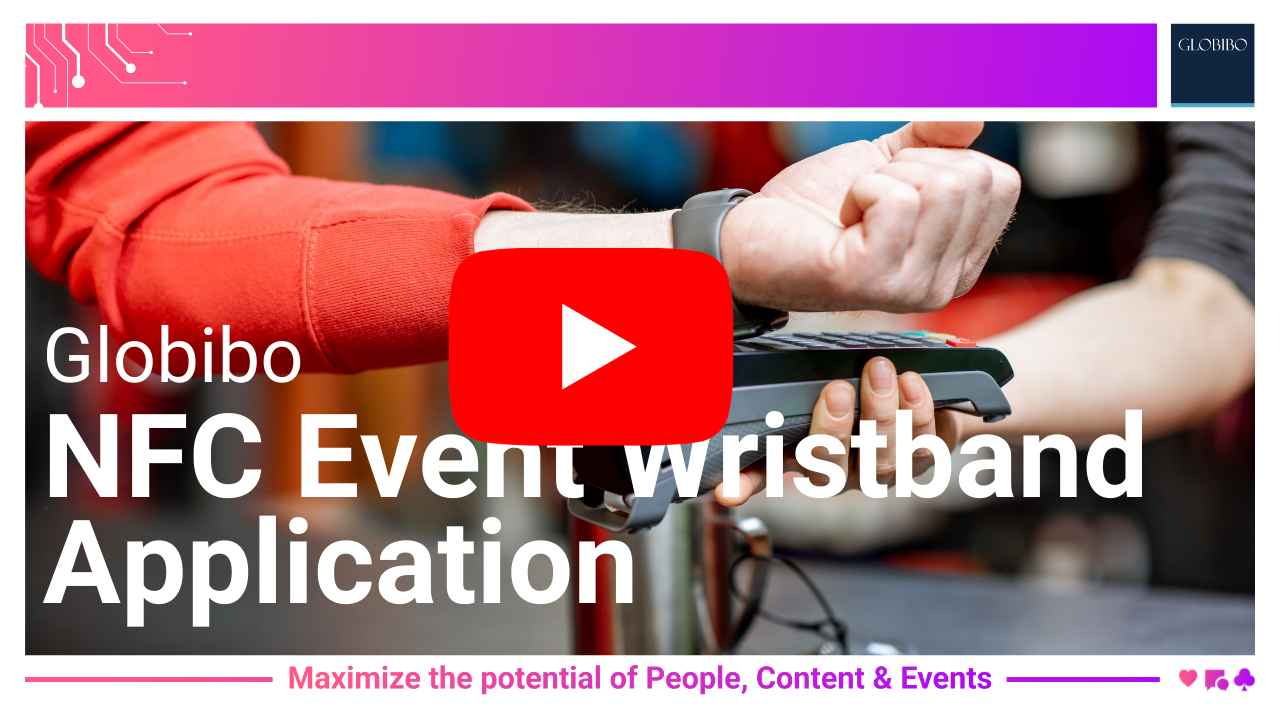
YouTube Videos on Participant Networking


Academic References for Participant Networking
- Measuring networking as an outcome variable in undergraduate research experiences
- Networked by design: Can policy requirements influence organisations’ networking behaviour?
- Networking in the time of COVID
- Online and offline social networks: Use of social networking sites by emerging adults
- Examining privacy and disclosure in a social networking community
- Educational use of social networking technology in higher education
- Communication in social networks: Effects of kinship, network size, and emotional closeness
- Publicly private and privately public: Social networking on YouTube
- Designing social networking sites for older adults
- Networking for educational improvement
Contacts
Certification

Testimonials



Event Technology