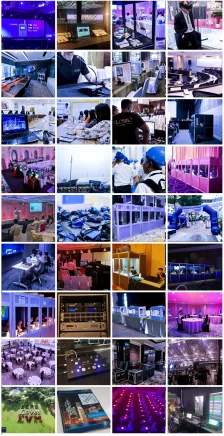


Event types that use Voting Solutions
The versatility of voting systems can be appreciated through their widespread application across various event types:
- Corporate Meetings & Conferences: Voting systems are widely used during company AGMs, product launches, or internal strategy meetings. The technology allows for open polls, surveys, and even market research, providing immediate insights into stakeholder opinions. Research suggests that real-time audience response systems can significantly enhance decision-making processes by incorporating diverse perspectives on the spot (Wright, 2020).
- Workshops & Training Sessions:Interactive voting systems help trainers gauge participant understanding, collect feedback, and evaluate learning outcomes. For example, real-time quizzes and polls can serve as a way to verify knowledge retention, providing valuable data to improve training programs. Voting systems in educational contexts improve engagement and create a more interactive learning environment (Cutts, Kennedy, Mitchell, & Draper, 2004).
- Academic Seminars & Lectures: In an academic events, audience response systems (ARS) help in making sessions interactive. They are particularly useful in large lectures, where direct interaction with every attendee may be difficult. A study by Kay & LeSage (2009) found that ARS improves participation, understanding, and overall satisfaction among students.
- Marketing Events & Product Launches: Voting systems are invaluable during product launches or marketing roadshows. They can collect instant feedback on new products or services, helping companies to understand consumer perceptions and adjust strategies accordingly. Research shows that consumer feedback collected via interactive tools significantly influences marketing decisions and consumer satisfaction (Chang & Chang, 2004).
- Networking Events: Voting systems at networking events can capture data about attendees’ preferences, interests, and opinions on various topics, contributing to a more personalized networking experience. Attendees can vote on discussion topics, rate speakers, and provide real-time feedback on event proceedings.