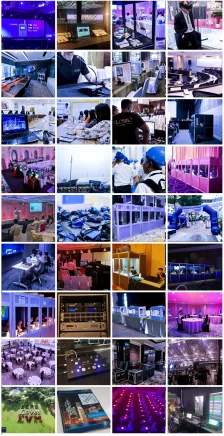
Transforming Academic Events with Digital Platforms
The integration of technology into academic processes has brought a paradigm shift in how educational institutions organize and manage events. Academic events, such as conferences, seminars, workshops, and symposiums, are crucial for knowledge dissemination, networking, and fostering innovation. The advent of academic event platforms has revolutionized the planning, execution, and experience of such events, offering solutions that streamline logistics, enhance participation, and provide valuable insights.
This article delves into the transformation brought about by digital platforms in academic events, discussing their features, benefits, and impact while providing a technical overview of their functionality.
Introduction to Digital Platforms in Academic Events
An academic event platform is a digital tool designed to facilitate the end-to-end management of events in academic settings. These platforms provide features that help organizers automate tasks, from registration and communication to post-event analytics. The rapid adoption of these platforms is fueled by their ability to handle complex logistics efficiently while enhancing user experiences.
Features of Academic Event Platforms:
- Centralized Management: A unified dashboard for all event-related activities.
- Customizable Interfaces: Tailored experiences for different types of academic events.
- Participant Engagement Tools: Live Q&A sessions, chat functionalities, and polls.
- Data Analytics: Insights into participant demographics, session popularity, and engagement metrics.
- Integration Capabilities: Seamless integration with payment gateways, learning management systems (LMS), and social media platforms.
Impact of Digital Platforms on Academic Events
Enhanced Accessibility
Digital platforms break geographical barriers, enabling participants from around the globe to join events virtually. This inclusivity fosters diversity and allows institutions to expand their reach.
Improved Efficiency
Automating registration, scheduling, and communication significantly reduces manual errors and administrative overhead. Organizers can focus on creating high-quality content rather than logistical challenges.
Real-Time Engagement
Interactive tools embedded within academic event platforms, such as live voting and collaborative whiteboards, enhance the engagement levels during sessions, making events more dynamic and participatory.
Data-Driven Decision Making
These platforms provide detailed analytics that help organizers assess the success of an event and make informed decisions for future improvements.
Benefits of Academic Event Platforms
For Organizers
- Simplified event management through automation.
- Cost savings due to reduced reliance on physical resources.
- Access to detailed post-event analytics.
For Participants
- Flexibility to attend events remotely.
- Enhanced networking opportunities via virtual meeting rooms and forums.
- Personalized schedules and notifications.
For Institutions
- Boosted reputation by hosting large-scale, professional events.
- Opportunities for global collaborations.
- Increased outreach and visibility.
Technical Architecture of an Academic Event Platform
| Component | Description |
| User Interface (UI) | Interactive dashboards for organizers and participants. |
| Backend Services | Handles data storage, session management, and integration with APIs. |
| Analytics Engine | Processes data to generate real-time insights and post-event reports. |
| Security Protocols | Ensures data protection and compliance with GDPR and other regulations. |
| Communication Tools | Integrated email and notification systems for seamless communication. |
Enhanced Understanding
Core Functionalities of Academic Event Platforms
- Event Scheduling: Automates creation and dissemination of schedules.
- Registration Management: Tracks registrations and sends confirmations.
- Payment Processing: Integrates secure gateways for ticketing and fees.
- Session Recording: Stores recorded sessions for on-demand access.
- Feedback Collection: Surveys and forms for gathering participant feedback.
Steps to Implement an Academic Event Platform
- Define Objectives: Identify goals for using the platform (e.g., audience engagement, scalability).
- Choose the Right Platform: Evaluate options based on features, pricing, and compatibility.
- Train Stakeholders: Educate organizers and participants about the platform’s functionalities.
- Integrate with Existing Systems: Ensure smooth interoperability with LMS or CRM systems.
- Test and Launch: Run trial sessions to address any technical issues before the actual event.
Future Trends in Academic Event Platforms
Artificial Intelligence (AI)
AI-powered features like personalized recommendations, predictive analytics, and chatbots are becoming integral to academic event platforms.
Virtual and Augmented Reality (VR/AR)
Immersive technologies allow participants to experience virtual event environments, enhancing interactivity and engagement.
Blockchain for Credentialing
Blockchain technology is being used to issue tamper-proof certificates and badges, ensuring authenticity.
Conclusion for Academic Event Platform
The transformation of academic events through digital platforms is a testament to the power of technology in enhancing educational experiences. As these platforms continue to evolve, they are poised to make academic events more accessible, efficient, and impactful. Institutions and organizers must embrace this shift to stay relevant in a digitally-driven academic landscape. Adopting an academic event platform not only simplifies logistics but also enriches the experiences of all stakeholders involved.
By leveraging the capabilities of modern technology, academic events are not just becoming more organized but are also creating a more connected and collaborative global academic community.
Academic Reference for Academic Event Platform
- Transforming universities in interactive digital platform: case of city university of science and information technology
- Transforming Traditions of University Convocations Through Virtual Platforms: A Case of Amity University India
- Enterprise social media platforms for coping with an accelerated digital transformation
- Digital platforms and transformational entrepreneurship during the COVID-19 crisis
- [PDF] Digital platforms in post-covid-19: Transform challenges into opportunities
- [HTML] Digital platforms as sources for organizational and strategic transformation: a case study of the Midblue project
- Making markets through digital platforms: Pearson, edu-business, and the (e) valuation of higher education
- Modern digital educational environment and media education-platforms for transforming education system
- Digital transformation as the main condition for the development of modern higher education
- [BOOK] The digital scholar: How technology is transforming scholarly practice

Rick Lee
Project Manager – Event Technology
Email: rick.lee@globibo.com
Case Study: Large-scale interpretation with event tech support
News: Globibo provided tour-based interpretation for an event company in Malaysia
Portfolio: Event Technology, Events Studio
With over 10 years of experience in event technology, Rick is an expert in integrating cutting-edge tech solutions for seamless event execution. His expertise includes tour guide system setup, audio-visual setups, interactive displays, and live-streaming technologies. Rick’s innovative approach ensures every event is technologically advanced and highly engaging.
Contacts
Certification

Testimonials



Event Technology