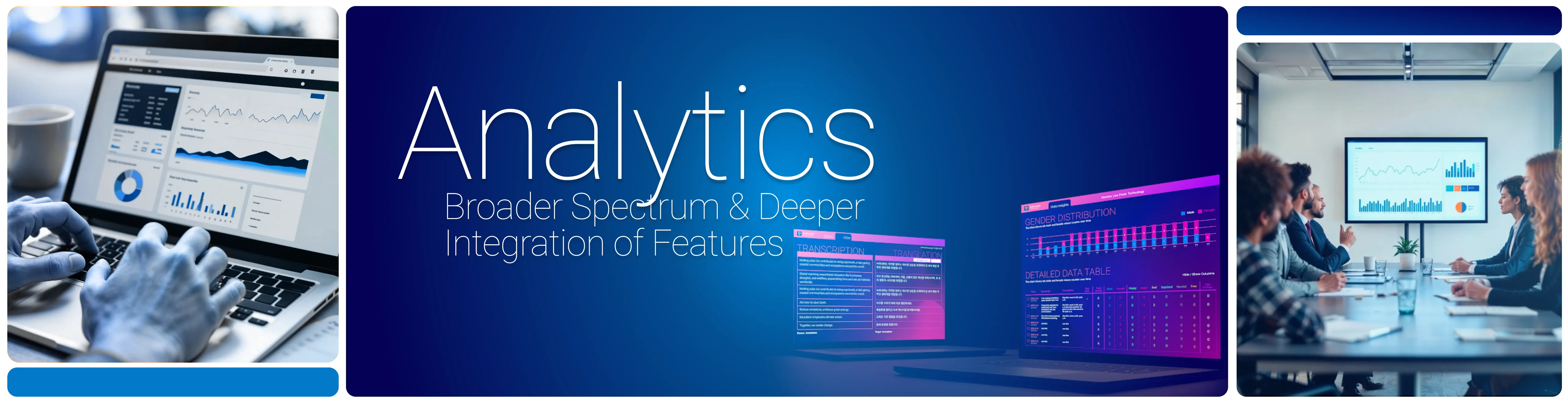
Post-Event Analytics: Turning Attendee Data into Sales & Marketing Insights
In today’s data-driven business environment, events are no longer evaluated solely on attendance numbers or on-the-day engagement. Whether physical, virtual, or hybrid, modern events generate vast volumes of structured and unstructured data that, when analyzed effectively, can deliver actionable insights for sales and marketing teams. Post-event analytics has emerged as a critical discipline that transforms attendee behavior, engagement metrics, and interaction data into measurable business value.
Understanding Post-Event Analytics in a Digital Event Ecosystem
Post-event analytics refers to the systematic collection, processing, and analysis of data generated before, during, and after an event. Unlike basic event reporting, which focuses on surface-level metrics such as registrations or attendance rates, post-event analytics aims to uncover patterns, correlations, and predictive indicators that support long-term revenue growth.
Modern event platforms integrate with customer relationship management (CRM) systems, marketing automation tools, and business intelligence dashboards. This interconnected ecosystem enables organizations to unify attendee data across touchpoints, creating a comprehensive view of audience intent, behavior, and readiness to purchase.
From a technical standpoint, post-event analytics combines data engineering, behavioral analytics, and performance measurement to deliver insights that inform decision-making across departments.
Key Categories of Attendee Data Collected Post-Event
The effectiveness of post-event analytics depends on the quality and diversity of data collected. Attendee data typically falls into the following categories:
1. Registration and Demographic Data
This includes job titles, industries, organization size, geographic location, and registration source. When analyzed correctly, demographic data helps segment audiences and align messaging with buyer personas.
2. Behavioral Engagement Data
A behavioral metrics tracking system measures how attendees interact with the event environment. These may include session attendance duration, content downloads, booth visits, poll participation, and question submissions. High engagement levels often correlate with purchase intent.
3. Interaction and Networking Data
Data related to one-on-one meetings, chat interactions, and networking activities provides insight into relationship-building and peer influence. These metrics are particularly valuable for account-based marketing strategies.
4. Content Performance Metrics
Analyzing which sessions, speakers, or content formats performed best allows marketers to identify high-impact topics and knowledge gaps within their audience.
5. Feedback and Sentiment Data
Post-event surveys, feedback forms, and sentiment analysis offer qualitative insights that complement quantitative metrics. Natural language processing techniques can be applied to open-text responses for deeper understanding.
Data Processing and Normalization for Accurate Analysis
Raw event data is often fragmented and inconsistent across platforms. To extract reliable insights, data must undergo rigorous processing and normalization.
This involves removing duplicates, standardizing data fields, resolving identity mismatches, and aligning event metrics with CRM records. Advanced organizations employ data pipelines that automate extraction, transformation, and loading (ETL) processes to ensure data accuracy and scalability.
Once normalized, attendee data can be mapped to the buyer journey, enabling a seamless transition from event engagement to lead nurturing and sales qualification.
Transforming Event Data into Sales Intelligence
Post-event analytics plays a critical role in enhancing sales performance by prioritizing leads and improving conversion efficiency.
1. Lead Scoring and Qualification
By combining engagement metrics with demographic attributes, organizations can develop weighted lead scoring models. For example, an attendee who participated in multiple technical sessions, downloaded solution briefs, and requested a demo would receive a higher score than a passive participant.
Sales teams benefit from this prioritization by focusing on leads with demonstrated intent rather than relying solely on manual follow-ups.
2. Account-Level Insights
For B2B organizations, events often attract multiple stakeholders from the same organization. Post-event analytics data aggregates attendee behavior at the account level, providing sales teams with a holistic view of organizational interest and readiness to engage.
3. Sales Enablement Alignment
Insights derived from event analytics help sales teams tailor their outreach messaging. Understanding which topics resonated with an attendee allows sales representatives to initiate conversations that align with specific pain points and interests.
Leveraging Post-Event Analytics for Marketing Optimization
Marketing teams rely on post-event analytics to refine strategies, optimize campaigns, and improve return on investment.
1. Audience Segmentation and Personalization
Post-event data enables advanced segmentation based on behavior rather than assumptions. Marketers can create targeted campaigns for highly engaged attendees, passive participants, or no-shows, each with tailored messaging and content.
2. Content Strategy Development
Analyzing session popularity, content engagement, and attendee feedback helps marketers identify themes that resonate most with their audience. These insights can guide future content creation, including webinars, whitepapers, email campaigns, and thought leadership initiatives.
3. Campaign Attribution and ROI Measurement
One of the most valuable outcomes of post-event analytics is accurate attribution. By integrating event data with marketing automation platforms, organizations can track how event interactions influence pipeline progression, deal velocity, and revenue contribution.
This data-driven attribution model allows marketers to justify event investments and optimize budget allocation.
Predictive Analytics and Future Event Planning
Advanced post-event analytics extends beyond descriptive and diagnostic insights into predictive modeling. By applying machine learning algorithms to historical event data, organizations can forecast attendee behavior, predict conversion likelihood, and optimize future event strategies.
Predictive analytics can inform decisions such as session scheduling, audience targeting, content formats, and even pricing strategies. Over time, these insights contribute to a continuous improvement cycle that enhances event effectiveness and business outcomes.
Data Privacy, Compliance, and Ethical Considerations
As organizations collect and analyze attendee data, compliance with data protection regulations is essential. Post-event analytics systems must incorporate consent management, data minimization, and secure storage practices.
From a technical perspective, anonymization and role-based access controls help protect sensitive information while maintaining analytical value. Ethical data usage not only mitigates legal risks but also builds trust with attendees.
Building a Scalable Post-Event Analytics Framework
To maximize value, organizations should treat post-event analytics as an ongoing capability rather than a one-time activity. A scalable framework includes:
- Centralized data integration across event, CRM, and marketing platforms
- Automated reporting and visualization dashboards
- Cross-functional collaboration between sales, marketing, and analytics teams
- Continuous refinement of metrics and models based on performance outcomes
By institutionalizing post-event analytics, organizations ensure that every event contributes to long-term growth and strategic intelligence.
Summary of Post-Event Analytics
Post-event analytics has evolved into a strategic asset that bridges the gap between event engagement and revenue generation. By systematically analyzing attendee data, organizations gain actionable insights that enhance sales prioritization, marketing precision, and overall business performance.
In an increasingly competitive landscape, the ability to transform event data into meaningful sales and marketing intelligence is no longer optional—it is a critical differentiator. Organizations that invest in robust post-event analytics frameworks position themselves to extract maximum value from every interaction, turning events into powerful engines of insight-driven growth.

Rick Lee
Project Manager – Event Technology
With over 10 years of experience in event technology, Rick is an expert in integrating cutting-edge tech solutions for seamless event execution. His expertise includes event analytics, audio-visual setups, interactive displays, and live-streaming technologies. Rick’s innovative approach ensures every event is technologically advanced and highly engaging.
YouTube Video for Post-Event Analytics
Academic References for Post-Event Analytics
- Beyond the Booth: Post–event Analysis
- [PDF] Using Data Visualization to Enhance Event Experiences: Research on Attendee Interaction and Engagement
- Utilizing Digital Marketing to Develop Customer Relationships in B2B Events
- MARKETING COMMUNICATION CAMPAIGN TO EXPAND NEW TARGET MARKET AND INCREASE SALES THROUGH SOCIAL MEDIA STRATEGY, SALES …
- Impact of trade show marketing activities on customer engagement: A B2B perspective
- [BOOK] Mastering Social Media Analytics: Turning Data into Success
- [BOOK] Effective sales enablement: Achieve sales growth through collaborative sales and marketing
- Why Attendee Data Transforms Conference & Convention …
- PDF) Leveraging Big Data Analytics for Understanding Consumer …
- Marketing information for the events industry
Contacts
Certification

Testimonials









Event Technology